Step 1: Assess Your Situation

At Step 1, you pause — not to act, but to observe. This step is all about assessing exactly where you stand right now: what’s known, what’s uncertain, and what remains undocumented. The aim: build a clear, organized picture of your current circumstances before you make any decisions — so your mitigation strategy starts from facts, not impulses.


Act During Precharge: Build Credibility & Influence Outcomes
What to Do If You’re Worried About Being Charged With a Crime
Lessons From the Precharge Phase of a Government Investigation
Inaction: The High Cost of Ignoring Government Investigation Risks
Why Most Federal Defendants Fail to Prepare—and Pay the Price Later
Reputation Repair After Federal Prison: Why Hiding Never Works
You Don’t Rebuild a Reputation by Hiding—Here’s What Works Instead
Insights from A Retired BOP Warden
The BOP Memo on Home Confinement: Why the File—Not the Policy—Determines Who Goes Home
Atlas Shrugged, The Prince, and What I Learned from Michael Santos
What I Learned Re-Reading The Stranger—16 Years After Federal Prison
Dignity Intact: What Michael Santos Taught Me About the Long Game
Action Solves Everything. But Can You Handle the Reaction?
Robert Greene And The Men Who Wait
How I Overcame Envy and Found My Why in Federal Prison
Pre-Suasion Is a Record You Build Long Before Sentencing and Federal Prison
Sunny Boy: What Will You Do With the Gift Someone Gives You?
Federal Sentencing Isn’t Fair—But This Is How You Influence It Anyway
Why Creating Assets Before Sentencing Can Influence Judges, Probation Officers, and the BOP
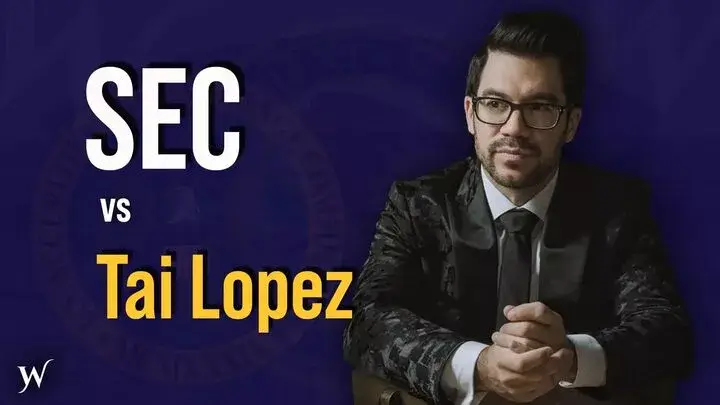
Tai Lopez Faces $112M Fraud Allegations
Letitia James and the Myth of Good Intentions: No Two-Tiered Justice
Why White Collar Crime Investigations Escalate Quickly | Chapter 1
Choosing the Right Criminal Defense Lawyer | Chapter 3

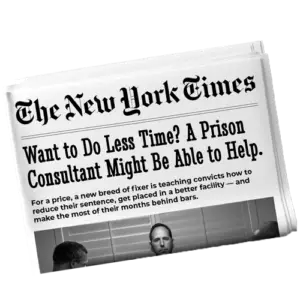
Read Our New York Times Article


And Lessons From Prison, Free!


Expert Strategies for Excelling in Government Investigations


Estimate Your Release Date With Our Calculator


Learn More


Trustpilot


Click Here… Let’s Talk

What is the purpose of Step 1?

Step 1 helps you assess your current situation — what’s known, what’s unclear, and what you need to document or clarify before proceeding.

When should I start Step 1?

As soon as you become aware of an investigation, charge, or legal risk — you don’t want delays to jeopardize your ability to build a clear narrative.

What kind of information should I gather for Step 1?

Basic facts — timeline of events, names, correspondence, documents, charges, and any other relevant background.

Can I skip Step 1 if I already have a lawyer?

No — even with legal representation, knowing your own facts is critical to effective mitigation strategy.

This is a staging environment