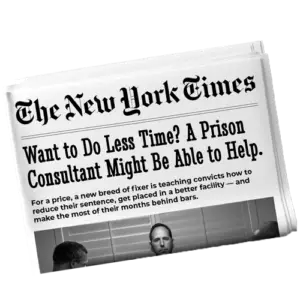
Nine weeks ago, I got on a call with a man under federal investigation. His wife and daughter were on the line. Like most people I speak with, he was nervous, overwhelmed, and unsure what to do next.
I asked him one question: “What do you value most?”
“Family. Freedom.”
I’ve heard that answer a hundred times—and I don’t doubt people mean it. But meaning it isn’t the same as showing it. So I told him, “Let’s test it.”
I sent him our probation report course. It’s free. I used to sell it for thousands. “Just 30 minutes a day,” I said. “Do it twice. Start today.”
He promised he would. He sounded sincere.
He didn’t do a thing.
Earlier today, I got a call from the same family. They told me the probation officer just recommended a five-year sentence. His guidelines were around 41 to 47 months. But now the government’s asking for more time.
Why?
Because the officer didn’t see someone who had taken responsibility. He saw someone who danced around questions, couldn’t explain his financial choices, and hadn’t done anything to show he was taking this seriously.
I asked him: “Did you do the course?”
“I intended to. I wanted to.”
That doesn’t count. Not in this system. It’s not fair, but it’s how it works.
When you tell a judge or probation officer your family and freedom are your priorities, but you can’t carve out 15 minutes a day to prepare, it sends the wrong message.
No one’s expecting perfection. But they are expecting you to show up.
This stuff is hard. I get it. You’re anxious, your case is probably all you can think about, and maybe you’re hoping your lawyer has it covered. But you can’t sit this out.
Your values only matter if your actions match them. Otherwise, they’re just noise.
If you’re reading this, you still have time to make a different choice. Start here:
Take the Probation Report Course.
It’s free. It’s built to help you understand the process, avoid small mistakes, and get clear on what matters to the people writing and reading your report.
Be honest about what you’re avoiding.
Ask yourself: Why haven’t I done more? What’s stopping me? Fear? Shame? Procrastination? It’s normal. But you can’t let it win.
Have a real conversation with your lawyer.
Ask them how you can contribute. Not just “What’s the plan?” but “What can I do to help you represent me better?”
This isn’t about being perfect—it’s about being prepared.
Too many defendants wait. They hope. They try to undo mistakes after the presentence interview is over, after the report is filed, after the judge reads it.
By then, it’s almost always too late.
This executive had tools. He had time. He didn’t use them. Now his family is scrambling to make up for it. That’s what happens when you put off the work.
You know the system is moving. You’ve seen how it works. So now it’s your move.
If you say family and freedom matter, prove it.
Start with the course. Don’t wait until the pressure is unbearable. Don’t make your wife or your lawyer do all the heavy lifting.
It’s not easy. It’s uncomfortable. But it’s necessary.
Justin Paperny