When former FBI Director James Comey said he “cries for the Department of Justice,” he forgot to mention the part where he sent agents to the White House to trap someone. In an interview, he admitted that instead of going through the White House Counsel’s office, he “just sent a couple guys over” to interview General Michael Flynn. No approvals. No formal process. Just a quick call saying, “We’re sending a couple guys over—hope you’ll talk to them.”
Flynn agreed, thinking it was routine. It wasn’t. The agents weren’t there to clarify facts. They were there to catch him off-guard. That interview led to his indictment, guilty plea, and public humiliation.
The Setup That Looked Like a Conversation
Comey said it himself: it was “early enough” in the administration that he could “get away with it.” That decision—skipping standard protocol—wasn’t about justice. It was about leverage. Once Flynn misspoke, the government had what it wanted: pressure. The goal was never truth; it was control of the narrative.
If you’re under investigation, understand this pattern. Federal agents and prosecutors often act friendly at first. They might say, “We just need to clarify something.” Or “This will go easier if you cooperate.” But behind those polite phrases is a goal—to build their case, not yours.
What This Means for Defendants
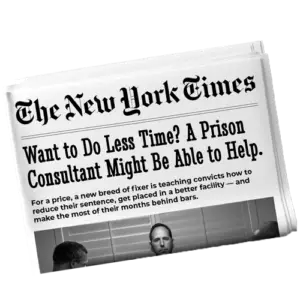
When I was under investigation, I also thought I could talk my way through it. I thought cooperation meant trust. It didn’t. It meant exposure. I lied to the FBI—not because they forced me, but because I believed I could manage the situation. That decision cost me everything: my career, my reputation, my freedom.
Flynn’s story is different in scope but identical in structure. The mistake was the same: walking into a conversation unprepared, assuming fairness, believing that honesty would protect him. Federal agents don’t set meetings like that to understand you. They do it to define you.
How Hypocrisy Damages Credibility
For Comey to now claim that he feels the pain of an unjust Department of Justice is a reminder of how selective moral outrage can be. He used the system’s gray areas to destroy someone’s life—then later condemned others for doing the same. That’s what defendants must understand: hypocrisy runs deep in this process. You can’t rely on outrage or sympathy to save you.
Your only protection is preparation—documenting your decisions, writing your narrative, and never walking into an interview blind. Comey’s tactics may look extreme, but the mindset behind them is routine. If you wait until after you’re charged to tell your story, the government’s version will already be the only one that matters.
Q&A: Lessons from the Flynn Case
Q: Why did Flynn talk without counsel present?
A: Because he thought cooperation would end suspicion. That’s a common mistake. Many defendants assume openness equals trustworthiness. It doesn’t. It often leads to self-incrimination.
Q: What should a defendant do before any meeting or interview?
A: Prepare a written record—what happened, when, and why. Know your own story before anyone else tells it. If you can’t explain your conduct clearly, someone else will explain it for you.
Q: What’s the main takeaway from Comey’s own admission?
A: The system isn’t fair by default. The burden is on you to document fairness, not assume it. When power decides outcome, only preparation creates protection.
If you’re in Flynn’s position—or mine years ago—you don’t need slogans or sympathy. You need a record that proves you are worthy of leniency. Waiting or trusting that “justice will see the truth” is exactly how people end up defined by one meeting, one statement, or one mistake.
If you’re under investigation or waiting for sentencing, don’t wait until someone else defines your story. Join our next weekly webinar or schedule a personal call with me. We’ll talk through how to build a credible record before the government builds one for you.
Justin Paperny