Table of Contents
A Look Inside the Administrative Remedy Process
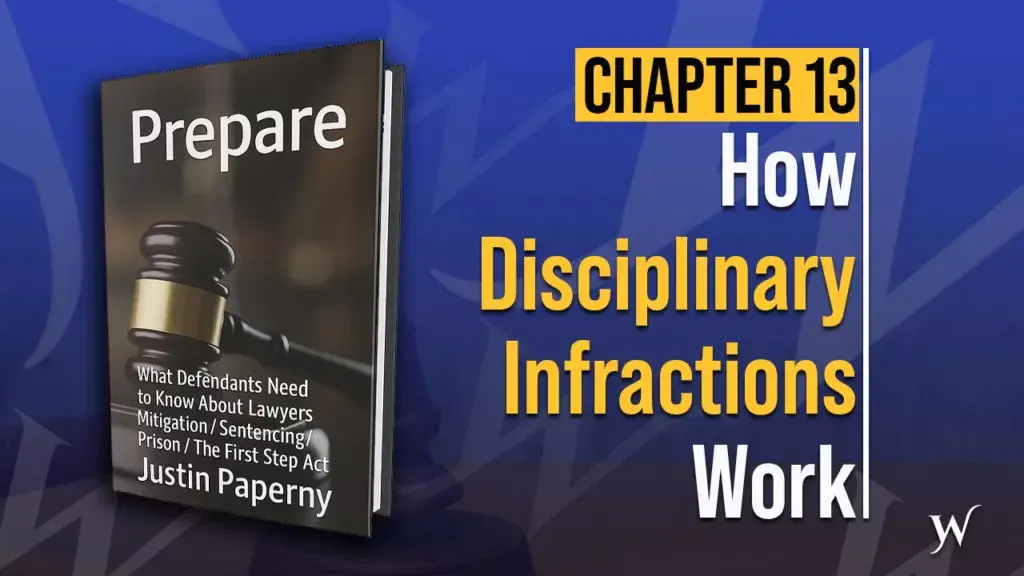
This chapter explains how the Administrative Remedy Process works, why timelines and documentation matter, and how each appeal level functions. Justin describes practical steps for informal resolution, BP forms, deadlines, and when it may be wiser to avoid filing grievances. The guidance emphasizes discretion, patience, and realistic expectations about the Bureau of Prisons system.
Understanding the Administrative Remedy Process from Day One
When a person enters federal prison, it is sensible to understand that daily life will not always unfold the way we prefer. Even with careful planning, problems can occur. The environment brings its own challenges, and events may feel beyond our control. Although we cannot fix every situation, we can decide how to respond to it. This is why understanding the Administrative Remedy Process matters from the start.
Some problems stem from the structure of the system. In the earlier chapter, we described the hierarchy of staff members in each prison. When a disagreement arises, staff members expect people in custody to begin with informal communication. If someone disagrees with a job assignment, it would not make sense to complain to the warden immediately. Staff expect the person to speak with the supervisor or counselor first.
When a disagreement cannot be fixed at that level, the Bureau of Prisons requires the use of the Administrative Remedy Process. The Administrative Remedy Process exists to give staff members an opportunity to review a complaint. Certain matters may eventually require judicial review, but courts generally require people to first complete all steps in the administrative system before seeking outside relief.
People do not have a right to legal counsel during this process. For that reason, they should learn how to prepare the documents correctly. It is a plain English request, but it must follow the structure that the Bureau of Prisons expects. Timelines, copies, and clear explanations matter. In every institution, people in the law library will often help others prepare a grievance.
Informal Resolution
The first step involves informal resolution. It does not require a form. Even so, it is wise to keep notes of every conversation or action taken. Staff want the person to first attempt to fix the matter through a simple conversation or request. If nothing changes, the next step is to involve the counselor.
The counselor will want an explanation of the problem and a record of attempts to resolve it informally. If the matter remains open, the counselor will issue a BP 8 form, which begins the written portion of the process.
The BP 8 asks the person to describe the issue, list the steps taken to fix it, and state the relief being requested. Space on the form is limited. Each request should involve one issue only. It is important to keep a copy because all forms must be attached when filing an appeal. Once completed, the person gives the form to the counselor. Staff will record the informal attempts, and a written response should arrive within a week.
Administrative Remedy Process: BP 9
When the BP 8 response does not resolve the concern, the next step is the BP 9. This sends the matter to the warden. It is unrealistic to expect the warden to read every grievance personally. More often, a staff member prepares the response for the warden to sign. The counselor will return the written decision.
Administrative Remedy Process: BP 10
If the person believes the warden’s response is incorrect or inconsistent with policy, the next step is the BP 10. The counselor will provide the form. The BP 10 is sent to the regional director. It is an intermediate appeal and must address only the same issue raised in the BP 9. The purpose is to explain why the response from the warden was incorrect.
Administrative Remedy Process: BP 10 Sensitive
Certain complaints involve sensitive matters. If a person believes the warden is involved in the issue or the situation cannot be raised locally, the person may request a Sensitive BP 10. This form goes directly to the regional office. The complaint must meet the standard of sensitivity because staff will screen these submissions carefully.
Administrative Remedy Process: BP 11
The last stage is the BP 11. If the regional director does not grant relief, the person may file the BP 11 with supporting documents. This appeal is sent to Bureau of Prisons headquarters in Washington DC. It is the final part of the process before a person may pursue relief in federal court.
Procedures and Timelines
The Bureau of Prisons requires people to submit all forms on time. If a deadline is missed, staff can dismiss the complaint for being untimely.
• BP 9 must be filed within twenty days of the event.
• BP 10 must be filed within twenty days of the warden’s response.
• BP 11 must be filed within thirty days of the regional director’s response.
Rules allow people in prison to assist each other with these matters.
Once all levels have been completed, a person may take the matter to federal district court if the issue remains unresolved.
People should think carefully before deciding to pursue a grievance. The Administrative Remedy Process is slow and rarely changes outcomes. A person who expects some degree of discomfort may decide not to file a complaint over every inconvenience.
Discretion and Critical Thinking

Staff members often work closely together. They communicate often, and their professional relationships influence the atmosphere inside the institution. People who routinely file complaints can bring more attention to themselves and may unintentionally worsen their situation. They can lose phone access, visiting access, or email access. Some may be placed in the Special Housing Unit while staff review an issue. Transfers across state lines can also occur.
When a judge sentences a person in federal court, the order states that the individual is committed to the custody of the attorney general. The Bureau of Prisons then has broad authority over that person’s daily existence.
For these reasons, we encourage people to move through prison quietly, similar to a submarine that stays beneath the surface. Awareness is important, but unnecessary attention can bring unnecessary problems. Remaining steady, alert, and focused is the safest way to proceed.
Our team urges people to use discretion and patience when deciding whether to file a grievance through the Administrative Remedy Process. The prison environment is not the same as a courtroom. Discovery is not available. There is no right to confront witnesses. Some situations require administrative filings to preserve the path toward judicial review. Yet most grievances are better left alone because they will not result in meaningful change.
If you want to better prepare for federal prison or sentencing, it can be helpful to review other White Collar Advice resources and see how others documented their efforts and decisions. Or join our free webinar.
Thank You,
Justin Paperny is an ethics and compliance speaker and founder of White Collar Advice, a national crisis management firm that prepares individuals and companies for government investigations, sentencing, and prison. He is the author of Lessons From Prison, Ethics in Motion, and the upcoming After the Fall. His work has been featured on Dr. Phil, Netflix, CNN, CNBC, Fox News, The Washington Post, and The New York Times.
FAQ
What is the purpose of the Administrative Remedy Process?
It allows people in custody to raise complaints through a structured system before seeking relief from a court.
Do I need an attorney to file a grievance?
No. People are expected to complete the process without counsel.
What is the BP 8 form used for?
It begins the written record and shows that informal efforts were attempted.
Does the warden personally review BP 9 forms?
Usually not. Staff members review most complaints and prepare a response for the warden to sign.
When should someone file a Sensitive BP 10?
Only when the issue legitimately involves sensitive matters that cannot be addressed locally.
What happens after the BP 11 is denied?
The person may then file a complaint in federal district court.
Are deadlines strict?
Yes. Staff can dismiss grievances that are not filed on time.
Can filing too many grievances cause problems?
Yes. People who file frequent complaints may draw unwanted attention from staff.
Can staff assist in preparing grievances?
Staff cannot write them, but others in custody may help with forms.
Should every complaint be filed?
No. Many issues do not justify the time or attention the process brings.