Table of Contents
Disciplinary Infractions in Federal Prison Explained
Disciplinary infractions in federal prison begin with staff reports and often end with long-term consequences. Once a shot is written, reversal is difficult. Infractions affect housing, privileges, security classification, and sentence length. Understanding how shots are issued, reviewed, and punished helps prisoners avoid compounding an already difficult sentence.
Use the Federal Prison Sentence Calculator →
Understanding Disciplinary Infractions from Day One
Disciplinary infractions are one of the fastest ways a federal prison sentence becomes harder than it needs to be. The Bureau of Prisons treats every employee as a correctional officer first. That means secretaries, cooks, chaplains, education staff, and groundskeepers all have the authority to write an infraction.
Inside federal prison, infractions are commonly called “shots.” When someone says a prisoner “caught a shot,” they mean a staff member formally accused him of violating a rule.
The Bureau of Prisons publishes its disciplinary rules in Title 28 of the Code of Federal Regulations, §541, along with Program Statement 5270, which governs inmate discipline. When a person arrives at an institution, staff issue a handbook that lists all prohibited acts. Prisoners are expected to know those rules, whether they read the handbook or not.
Levels of Disciplinary Infractions in Federal Prison
The BOP divides disciplinary infractions into four categories:
- Greatest severity level (100 series)
- High severity level (200 series)
- Moderate severity level (300 series)
- Low-moderate severity level (400 series)
The lower the number, the more serious the offense.
100-series infractions include acts such as murder, rioting, drug trafficking, rape, and other violent conduct.
200-series infractions include offenses like stealing, fighting, or alcohol use.
300-series infractions are far more common and include contraband possession, being out of bounds, or refusing a direct order.
400-series infractions are comparatively minor, such as being late for work or conducting unauthorized business activities.
For example, if one prisoner charges others for laundry services or similar favors, staff may issue a 400-series infraction, or a 300-series infraction for running a business inside the institution.
How a Shot Is Written and Processed
BOP policy requires staff to file a disciplinary report within 24 hours of becoming aware of an incident. If staff delay without justification, that delay may later support an appeal.
Once written, the report goes to the Lieutenant’s Office. A lieutenant reviews the report and calls the prisoner in for questioning. Because disciplinary proceedings are quasi-legal, the lieutenant reads Miranda-style warnings and explains the accusation.
At this stage, the prisoner has a limited opportunity to make a statement and identify witnesses. This is the only point at which witnesses may be requested. If a prisoner fails to raise evidence or identify witnesses here, staff may refuse to consider it later. Silence often works against the prisoner, as staff may infer responsibility.
For serious disciplinary infractions at the 100- or 200-series level, staff typically place the prisoner in the Special Housing Unit immediately. For 300-series infractions, placement in segregation depends on staff discretion. For 400-series infractions, the prisoner is usually returned to the compound pending further action.
Unit Disciplinary Committee (UDC)
Within 72 hours of processing the report, excluding weekends and holidays, the Unit Disciplinary Committee ordinarily convenes. The UDC includes members of the prisoner’s unit team, such as a case manager, counselor, or unit manager.
The UDC handles most 300- and 400-series infractions. During the hearing, staff listen to the prisoner’s explanation and issue a finding. Sanctions may include loss of phone access, commissary, visiting, or a combination of privileges.
Prison disciplinary hearings do not resemble criminal court. There is no presumption of innocence. Prisoners cannot cross-examine staff, obtain discovery, or challenge evidence in a meaningful way. Staff testimony carries more weight than a prisoner’s account.
As a result, prisoners should assume that once a staff member writes a shot, a guilty finding is likely. Appeals are possible through the Administrative Remedy Program, but reversals are rare.
Disciplinary Hearing Officer (DHO)
All 100- and 200-series disciplinary infractions go before a Disciplinary Hearing Officer. Any infraction involving telephone misuse also requires a DHO hearing.
The DHO has broad authority. Sanctions may include months in segregation, loss of privileges for years at a time, and forfeiture of good conduct time. Loss of good time directly extends the length of confinement.
In some cases, conduct underlying a disciplinary infraction may be referred to federal law enforcement for criminal prosecution. While corporal punishment no longer exists, the psychological consequences of DHO sanctions can be severe.
Collateral Consequences of Disciplinary Infractions
Beyond immediate punishment, disciplinary infractions affect custody classification. Recent infractions increase a prisoner’s security score and limit placement options.
- 300-series infractions typically affect scoring for one year
- 200-series infractions affect scoring for two years
- 100-series infractions remain relevant for ten years
A fighting infraction may permanently label a prisoner as violent for classification purposes. That designation follows the individual throughout confinement and restricts access to lower-security placements.
Segregated Housing Unit (SHU)
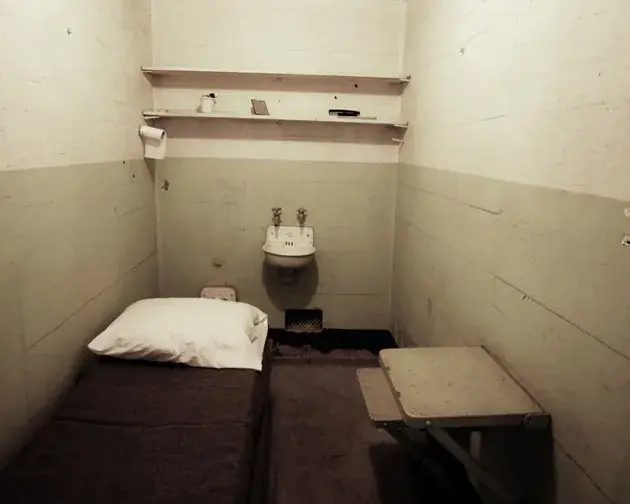
The Segregated Housing Unit, commonly called the hole, is usually located within the secure perimeter of the prison. Conditions resemble a county jail more than a prison camp.
Prisoners in SHU spend 23 to 24 hours per day in small cells, often with one or two cellmates. Showers are limited, clothing exchanges are infrequent, and recreation usually consists of standing alone in another enclosed space.
Extended time in SHU intensifies the hardships of incarceration. Noise, isolation, and constant disruption are common. Some prisoners resort to destructive behavior simply to draw attention, flooding cells or banging on doors for hours.
SIS Investigations and Administrative Detention
Prisoners may be placed in SHU not only as punishment, but also for investigation. Each institution has a Special Investigative Services lieutenant who examines suspected misconduct by prisoners or staff.
SIS investigations often begin with informant tips or evidence found during property searches. Suspected individuals may be held in administrative detention for months while staff investigate.
Administrative detention closely resembles punitive segregation. Prisoners may also be housed there for protective custody, classification issues, or missing paperwork, including delayed presentence reports.
Final Observations on Disciplinary Infractions
The Bureau of Prisons operates as a rigid bureaucracy. Decisions are impersonal and rule driven. Prisoners who understand how disciplinary infractions are handled reduce the risk of unnecessary penalties.
Knowledge of the rules does not eliminate discretion, but it lowers exposure to avoidable mistakes. Few opportunities exist to distinguish oneself positively in custody, yet there is no shortage of ways to make confinement more restrictive.
Readers facing custody decisions may benefit from reviewing BOP disciplinary rules before reporting to prison.
Thank You,
Justin Paperny is an ethics and compliance speaker and founder of White Collar Advice, a national crisis management firm that prepares individuals and companies for government investigations, sentencing, and prison. He is the author of Lessons From Prison, Ethics in Motion, and the upcoming After the Fall. His work has been featured on Dr. Phil, Netflix, CNN, CNBC, Fox News, The Washington Post, and The New York Times.
FAQ
What is a disciplinary infraction in federal prison?
A disciplinary infraction is a formal accusation that a prisoner violated a BOP rule, documented by staff.
Who can write a disciplinary report?
Any BOP employee, regardless of job title, may issue a disciplinary report.
What happens after a shot is written?
A lieutenant reviews the report and interviews the prisoner before referring it to the UDC or DHO.
Can disciplinary infractions extend my sentence?
Yes. Loss of good conduct time increases the amount of time served.
Are disciplinary hearings fair?
They provide limited procedural protections and favor staff testimony.
Can I appeal a disciplinary infraction?
Appeals are allowed through the Administrative Remedy Program, but reversals are uncommon.
Do infractions affect prison placement?
Yes. Infractions increase security scores and restrict placement options.
What is the SHU?
The SHU is segregation housing where prisoners are confined most of the day with limited privileges.