Table of Contents
Table of Contents
- Making Use of the Time
- Education Participation in Federal Prison
- Adult Basic Education (ABE)
- GED Programs in Federal Prison
- English as a Second Language (ESL)
Adult Continuing Education (ACE)College Study OpportunitiesLibraries in Federal PrisonLaw Libraries in Federal PrisonRecreation Programs in Federal PrisonHobby Craft ProgramsFAQ
RDAP and Psychology Programs: Eligibility, Limits, and Reality Making Use of the Time Some people want to use their time in federal prison constructively. Education in prison can help a person build skills, knowledge, and credentials that remain useful after release. Programs may be formal or informal. Many people study independently, without earning certificates or degrees.
When Michael Santos began serving his sentence, he reached out to universities. He had no financial resources. Through persistent writing and correspondence, he opened opportunities that led to earning a bachelor’s degree and later a master’s degree. As he described in Earning Freedom, he built a publishing career and launched multiple ventures from inside prison.
While serving my sentence, I worked closely with Michael to write books and develop projects that later became viable businesses.
Education Participation in Federal Prison
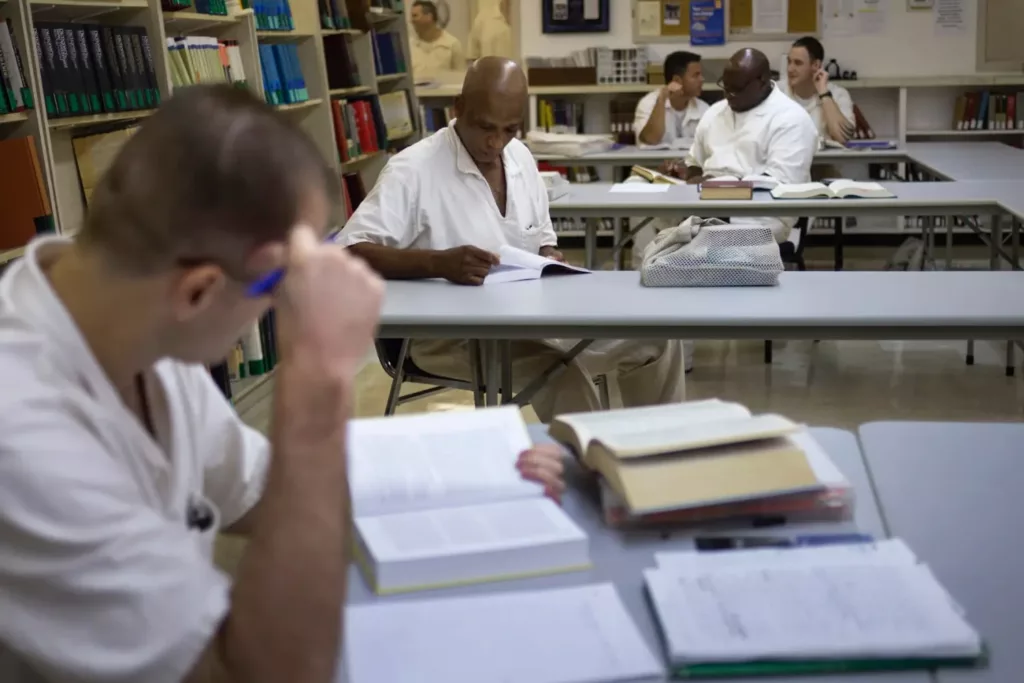
Studies often report that about 37 percent of the prison population participates in education. That statistic is misleading. It measures only participation in programs sponsored by the Bureau of Prisons. It does not account for independent study.
Neither Shon’s preparation for law school, nor Michael’s pursuit of graduate degrees, nor my work developing writing and communication skills would appear in those statistics. Independent study matters, even if the system does not measure it.
Because of the First Step Act, every person in federal custody should understand how education works inside prison. Participation in approved programs may lead to Earned Time credits, which can accelerate eligibility for home confinement or prerelease custody.
Each federal prison has an Education Department staffed by a Supervisor of Education and instructors. The department is required to offer Adult Basic Education, GED preparation, and English as a Second Language courses.
Adult Basic Education (ABE)
Some people enter prison without basic literacy skills. ABE courses are remedial and designed to prepare individuals for GED coursework.
People who cannot verify educational credentials must take a literacy assessment. Those who score below the eighth-grade level are required to enroll in ABE classes. Refusing to participate can lead to disciplinary action or loss of privileges.
GED Programs in Federal Prison
People functioning above the eighth-grade level but without verified high school credentials must enroll in GED programming. Those who have a diploma or equivalent should ensure verification during the pre-sentence investigation.
If the Presentence Investigation Report states only that the defendant claims to have graduated, staff may still require GED participation. The PSR must confirm that credentials were verified. Some institutions will not accept a college degree as a substitute for a high school diploma.
People without verified credentials cannot earn above grade four pay. That limits wages to under $20 per month regardless of job assignment. Failure to participate in GED programs may also affect eligibility for good time credits.
The First Step Act encourages educational participation. Whether through structured programs or independent study, education remains one of the most practical uses of time in custody.
English as a Second Language (ESL)
BOP data indicates that a significant portion of the population consists of foreign nationals and people of Hispanic origin. ESL courses help individuals improve English language skills, which affects daily communication and program access.
Vocational Training Programs
Every federal prison offers vocational training programs. These programs combine classroom instruction with hands-on work. Examples include woodworking, culinary arts, electronics, and computer applications.
Many programs lead to certificates. Some require thousands of hours and may result in accredited journeyman credentials. Waiting lists are common.
The BOP allows temporary educational transfers to institutions offering specific programs. After completion, people typically return to their original facility.
Andre’s Story
Andre entered prison in 1992 without a high school diploma. He completed his GED, enrolled in college coursework, and later pursued vocational training in computer drafting through an educational transfer to Texas. He earned an associate degree and certification before returning to New Jersey.
Adult Continuing Education (ACE)
Some prisoners develop and teach courses based on their skills. ACE instructors volunteer their time. Teaching does not replace the requirement to hold a prison job.
College Study Opportunities
Some institutions partner with community colleges offering two-year degrees. Four-year degrees may be available through correspondence programs if outside funding exists. Persistence and self-advocacy are required.
Several accredited universities offer distance learning. While studying, Michael said he felt more like a student than a prisoner. Structured learning can bring focus to daily life.
Libraries in Federal Prison
The Education Department oversees leisure libraries. Some libraries contain thousands of books, while others rely heavily on donations. Many participate in interlibrary loan programs, allowing access to materials not held locally.
Libraries may also offer newspapers, magazines, and educational resources. Reading provides mental relief from monotony. Documented educational progress may support program eligibility under the First Step Act.
Law Libraries in Federal Prison
Each federal prison maintains a law library with digital access to federal case law, statutes, and citation tools. These resources allow people to research district court, appellate, and Supreme Court decisions.
Litigating from prison is difficult but possible. Shon Hopwood demonstrated that disciplined use of legal resources can produce real results.
Recreation Programs in Federal Prison
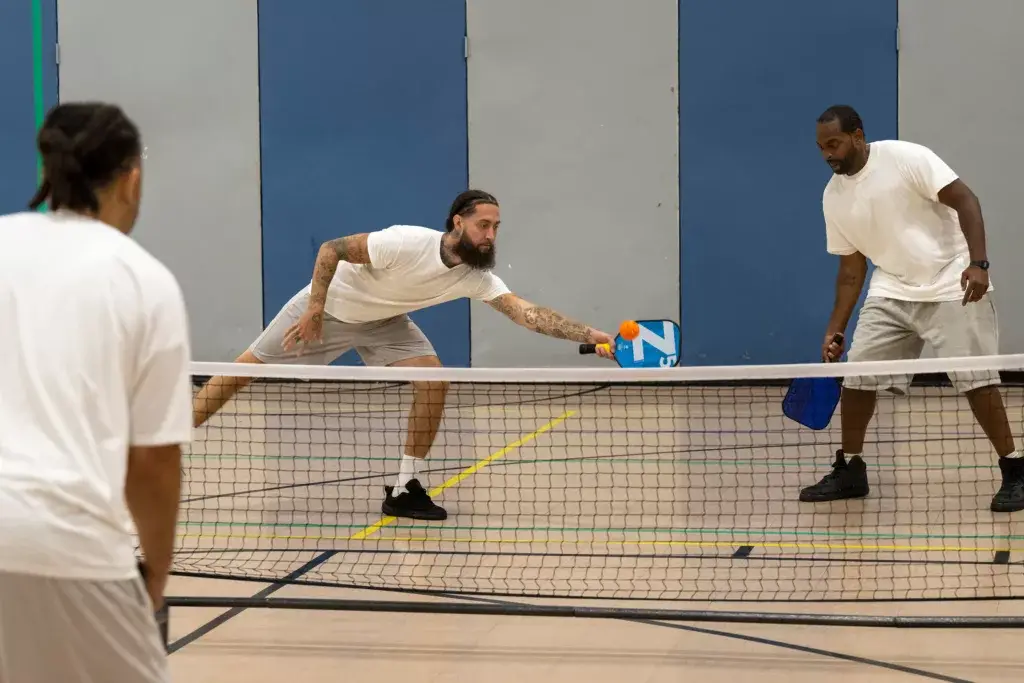
Federal prisons offer indoor and outdoor recreation depending on security level. Facilities may include gyms, weight equipment, exercise machines, tracks, courts, and sports fields.
Institutions organize seasonal sports leagues by housing unit. Varsity teams sometimes play outside community teams coordinated by recreation staff.
Inside housing units, recreation departments manage televisions. Audio is transmitted through FM frequencies and accessed with radios.
Hobby Craft Programs
Recreation departments also sponsor hobby craft programs. Options may include leatherwork, painting, ceramics, drawing, and other creative outlets. Waiting lists are common, and time limits may apply. Completed projects are typically required to be sent home.
Education and recreation help manage stress, structure time, and maintain physical and mental health during confinement. They also provide skills and habits that extend beyond prison.
Thank You,
Justin Paperny is an ethics and compliance speaker and founder of White Collar Advice, a national crisis management firm that prepares individuals and companies for government investigations, sentencing, and prison. He is the author ofLessons From Prison,Ethics in Motion, and the upcomingAfter the Fall.His work has been featured onDr. Phil, Netflix, CNN, CNBC, Fox News,The Washington Post, andThe New York Times.
FAQ
Are education programs mandatory in federal prison?
Some programs, such as ABE or GED, are mandatory if credentials are not verified.
Can education lead to early release?
Approved programs may earn time credits under the First Step Act.
Do all prisons offer college programs?
No. Availability depends on institutional partnerships and funding.
Is independent study recognized by the BOP?
Independent study may not appear in statistics but still builds skills and documentation.
Are vocational programs competitive?
Yes. Waiting lists are common.
What recreation options exist?
Gyms, sports leagues, hobby crafts, and fitness facilities vary by institution.
RDAP and Psychology Programs: Eligibility, Limits, and Reality
Written by
Justin Paperny
Founder White Collar Advice