Table of Contents
Summary
The case of Keonne Rodriguez highlights how fast DOJ priorities can shift. For nearly 10 years, his non-custodial Bitcoin privacy software operated openly, with no indication of licensing concerns. A sudden raid, an indictment, and a plea agreement followed—despite no evidence he ever controlled customer funds. His experience shows how federal prosecutors reinterpret regulations, how defendants often receive no warning before charges, and why preparation and documentation are essential even when intent is not criminal.
What the Case of Keonne Rodriguez Shows When my friend Keonne Rodriguez received a 60-month federal prison sentence, I asked him to speak openly about what happened so others can better understand how government investigations unfold. His case shows how quickly a person can go from building a legitimate technology business to being the subject of a federal indictment—often without any warning.
Background of Keonne Rodriguez
Keonne Rodriguez grew up in Miami Beach. His father fled Cuba after the revolution, and his mother was an English citizen who happened to meet him on the beach. Keonne described a childhood surrounded by different cultures, plenty of activity, and not much interest in school. He was smart, but he disengaged early.
That changed when he got his first computer. By middle school he was teaching himself coding and web design. He built sites for his church, then for friends, and eventually for businesses. At 16, he left high school with his father’s support and worked full-time in tech. Over the next decade he built a career in web development, product development, and mobile applications.
In 2012 he was living in England and learning about Bitcoin. A year later he attended a Bitcoin conference in London and met the founder of blockchain.com. He became the eighth employee at what would become one of the most well-known crypto companies in the world. While there, he worked alongside people who later became major figures in the industry. He also met his future business partner, Bill, who later became his co-defendant.
How Samourai Wallet Started
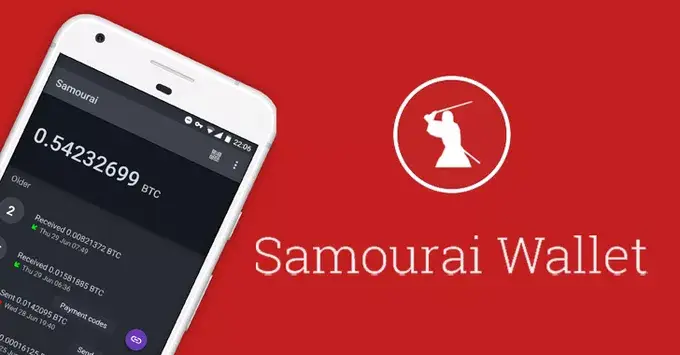
In their sentencing narrative—something we encourage every defendant to prepare, and which we explain in detail at White Collar Advice’s sentencing narrative resource—Keonne and Bill explained why they built Samourai Wallet. Bitcoin’s financial activity is publicly visible on the blockchain. A person accepting a payment can see your past and future activity, something most people would never accept in everyday financial life.
They built Samourai Wallet as a non-custodial, privacy-focused tool to help users avoid exposing their financial history. The software was free, the code was open source, and the optional paid features supported the business. Two features—Ricochet and Whirlpool—introduced mathematical complexity to make blockchain data harder to trace. As Keonne explained, they used established technical methods to create uncertainty on a public ledger.
For nearly a decade, their work operated openly. They had lawyers. Their identities were public. Their company spoke at conferences. No regulator suggested the business required a money-transmitter license, because the long-held assumption in the industry was simple: a person cannot launder or transmit money they do not control.
When the Government Alleged a Crime
That assumption changed with a shift in administration. According to Keonne Rodriguez, no warning ever came. On April 24, 2024, the government initiated the case with an early-morning FBI raid. He described 40–50 agents, drones, armored vehicles, and weapons. Until that moment, he had no indication the government believed he violated the law.
The indictment included two charges: conspiracy to commit money laundering (20-year maximum) and conspiracy to operate an unlicensed money-service business (5-year maximum). After two years of litigation, prosecutors offered to drop the first charge if he accepted responsibility for the second. He took the deal.
Keonne’s allocution reflected what he was willing to acknowledge: he wrote software, he knew criminals could use it, and he accepted responsibility for failing to reassess licensing requirements as the environment changed. But he also stated a clear point—creating software alone had never been considered criminal conduct. Even a DOJ memo from the prior administration stated prosecutors should not pursue software developers for the acts of users.
The current DOJ took the opposite approach, and that decision shaped the outcome.
Preparing for Prison and Pursuing Clemency
As he prepares to surrender, Keonne is clear about two things. First, he does not dispute the facts he admitted to in court. Second, he believes this case would have been handled civilly in any prior administration. Regulators could have contacted his lawyers, asked questions, or allowed voluntary surrender. Instead, they treated him like a violent offender despite having no record and a decade of public business operations. His focus now is on responsible preparation—something we discuss with all clients, including through resources such as our First Step Act guide and our page on preparing for federal prison. He is also pursuing clemency and has support from industry leaders who believe the prosecution was unjust.
Please visit BillandKeone.org to sign the petition and to donate.
Thank You,
Justin Paperny, author of Lessons From Prison, and Ethics in Motion.
Why was Keonne Rodriguez prosecuted?
He was charged with conspiracy to operate an unlicensed money-service business after nearly a decade of publicly operating a non-custodial Bitcoin wallet.
Did he control customer funds?
No. Samourai Wallet was non-custodial, meaning users controlled their own funds.
Why did he accept a plea deal?
Prosecutors dropped a more serious charge in exchange for accepting responsibility on the unlicensed-transmission count.
Why did the case surprise industry professionals?
For years, regulators assumed money transmission required control of customer funds. This case took a new position.
Did he receive any warning before the raid?
No. He learned of the investigation only when the FBI executed a raid at his home.
What sentence did he receive?
He received 60 months in federal prison.
Why does he believe the case should have been civil?
He believes regulators could have requested clarification or licensing adjustments without criminal charges.
What role did intent play?
He acknowledged responsibility for not reassessing obligations but stated he never intended to commit a crime.
Is he pursuing clemency?
Yes. Industry members and supporters are advocating for review of the prosecution.
How is he preparing for prison?
Our team is thankful to work with Keonne as he prepares for his sentence at Morgantown Federal Prison Camp on December
Could this case affect other software developers?
Possibly. The DOJ’s new interpretation could broaden exposure for developers of privacy tools.
Written by
Justin Paperny
Founder White Collar Advice