In this clip with Jordan Harbinger, we discussed rebuilding after federal prison and the importance of work. Jordan asked about people who expect to walk out of federal prison and land a high-paying job. He said, “They don’t want to do the work it takes when they get out. They think, ‘I’m not going to drive for Uber. I’m not going to work at Chipotle if they’ll have me.’” That mindset sums up one of the biggest mistakes people make after a white-collar conviction.
When I came home from federal prison in 2009, I didn’t have a corner office waiting for me. I worked as a receptionist for three months. I answered phones, poured coffee, licked envelopes, and sent faxes. That job wasn’t glamorous, but it was a start. It was my first step toward creating a new, law-abiding record after prison. I’ve seen others do the same—take entry-level jobs and use those opportunities to rebuild. Unfortunately, I’ve also heard from people who refuse.
One person said to me, “I’d rather stay in jail than drive for Uber.” Another said, “I have an MBA from a top school. I can’t take a job at a fast-food restaurant.” That refusal to accept reality shows entitlement and a lack of accountability. It’s the wrong message to send to judges, probation officers, or potential employers. Rebuilding after prison requires humility and a willingness to work, no matter the job.
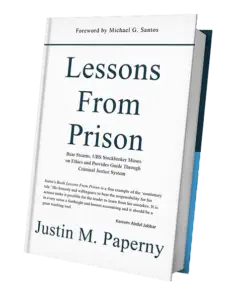
In Lessons From Prison, I shared details on the life I hoped to lead after prison–that life included gratitude, humility. The first job you take after release won’t be your last. It’s a step toward something better. Judges don’t want to hear empty promises; they want evidence. Probation officers and potential employers respect people who do the work to rebuild their lives. Driving for Uber or working at a restaurant may not be your long-term career, but it shows that you’re serious about living differently.
One client I worked with, a former CFO, took a job delivering packages after prison. At first, he struggled with the stigma of being recognized by former colleagues. But he stuck with it. That job became a key part of his comeback story. It showed his family, the court, and his community that he was committed to earning an honest living. Over time, he leveraged that experience to rebuild his network and find consulting opportunities.
Another client started working as a grocery store stocker. He went from feeling embarrassed to recognizing the importance of reliability and consistency. Today, he runs a successful multi million dollar business—a result of the habits he built by showing up and doing the work.
Judges and probation officers don’t care about your past job title. They care about your willingness to make things right. Judge Pearson told me, “Defendants must treat sentencing like a full-time job. It’s their responsibility to share every fracture that led to that courtroom and their plans to never return.” That plan must include creating a new record through honorable work.
People often tell me they’re waiting for the right opportunity. Waiting is a mistake. Rebuilding is a phased process. You’re not going to walk out of prison and step into a six-figure job. What you do in your first year out matters more than you think. You can’t talk your way back into society’s good graces; you must show that you’ve earned it.
In Lessons From Prison, I wrote about incremental steps. Taking a receptionist job didn’t mean I’d be answering phones forever. It meant I was serious about rebuilding. The same is true for anyone coming home. Your first job isn’t your final job. It’s the start of your new record.
If you’re coming home from prison, ask yourself:
- What message am I sending to judges, probation officers, and future employers?
- Am I willing to start small to prove I’ve changed?
- Do I understand that what I do today will impact my future opportunities?
Rebuilding after federal prison isn’t about avoiding the work. It’s about embracing it. By taking that first job—no matter what it is—you’re proving that you’re accountable, resilient, and ready to contribute. That’s the message you want to send. The opportunities will come, but only if you’re willing to take the first step.
Justin Paperny