Table of Contents
The conference room at the U.S. Attorney’s office looked exactly like you’d expect. Long table, federal agents on one side, my lawyer and me on the other, a court reporter in the corner. Everyone had a yellow legal pad. Nobody smiled.
I had been told I was there to cooperate. What I hadn’t been told (not in a way that actually landed) was that every word I said in that room would be tested against everything the government already knew. They knew a lot.
I got through my proffer. I’ve watched others get destroyed in that same setting; not because they were dishonest, but because they walked in unprepared. They assumed good intentions would carry the day.
Here is what you need to understand before you sit down across from a federal prosecutor.
1. A Proffer Is Not Immunity
The agreement says the government won’t use your direct statements against you; that protection only holds under specific conditions. Lie, omit something material, or let your story contradict evidence they already have, and the protection disappears. My co-defendant started cooperating, violated the agreement, and ended up with a longer sentence than any of us anticipated. The government gave him a chance and he lost it.
2. The Terms Need to Be Negotiated Before You Walk In
A proffer agreement is a document with terms. What topics will be covered? What happens when you misremember something? What counts as a material omission? Your lawyer needs those answers before you sit down. Uncertainty going in equals risk coming out.
3. Everything Is Documented
The session happens at the U.S. Attorney’s office, sometimes at a federal courthouse. Prosecutors and agents are present. Everything you say is written down and will be reviewed. Treat every sentence as something that will be read again at your sentencing.
4. You Need a Lawyer Who Has Done This Before
Not a general defense attorney who handles federal cases occasionally. Someone who knows how these sessions run, how prosecutors frame questions, and where defendants stumble. Preparation with the right counsel before the session is what separates a proffer that helps from one that damages.
5. They Expect Full Disclosure; Not Just Honest Answers
Prosecutors want everything relevant, not just responses to the questions they ask. A conversation that touched on the conduct under investigation, a meeting, a phone call, a transaction you thought was minor: they want it from you before they hear it from someone else. Partial disclosure is treated as concealment. The details you leave out become the thing that sinks you.
6. Lying (Even Accidentally) Can Mean New Charges
18 U.S.C. § 1001 makes false statements to federal agents a separate federal crime. Prosecutors conclude you misled them; even an unintentional mistake, one that looks like concealment, costs you the entire cooperation benefit and can trigger new charges on top of whatever brought you to that table.
7. You Have to Own Your Role; All of It
Minimizing what you did, blaming co-defendants, or presenting yourself as peripheral when the evidence says otherwise kills credibility immediately. Prosecutors have seen every version of that story. Accepting responsibility in the proffer room doesn’t mean accepting a worse outcome; it gives you a chance at a better one.
8. They’re Going to Ask About Other People
Prosecutors want names, timelines, and details involving other individuals. Decide how you’re handling that before the meeting. Hesitation in that room gets noticed and it gets documented.
9. Breaking the Agreement Has Real Consequences
Lie, contradict yourself at trial, or change your story and prosecutors can use your proffer statements at sentencing. The cooperation benefit disappears; sentencing enhancements may follow. I’ve worked alongside defendants who cooperated for months and walked away with nothing because the deal unraveled over something they said (or didn’t say) in the original session.
10. A 5K1.1 Letter Is the Government’s Decision, Not Yours
Prosecutors may file a 5K1.1 motion allowing the judge to sentence you below the guidelines; that word ‘may’ carries enormous weight. One retired FBI agent I’ve interviewed said he could count on one hand the defendants he’d seen avoid prison entirely through cooperation. Everyone else still went to prison, just for less time. Know that going in.
One More Thing
A proffer is not a conversation. It’s a test with significant consequences on both sides. The people who do well in that room have prepared exhaustively; they understand exactly what they’re going to say before they open their mouths, and they have a lawyer who has navigated this before.
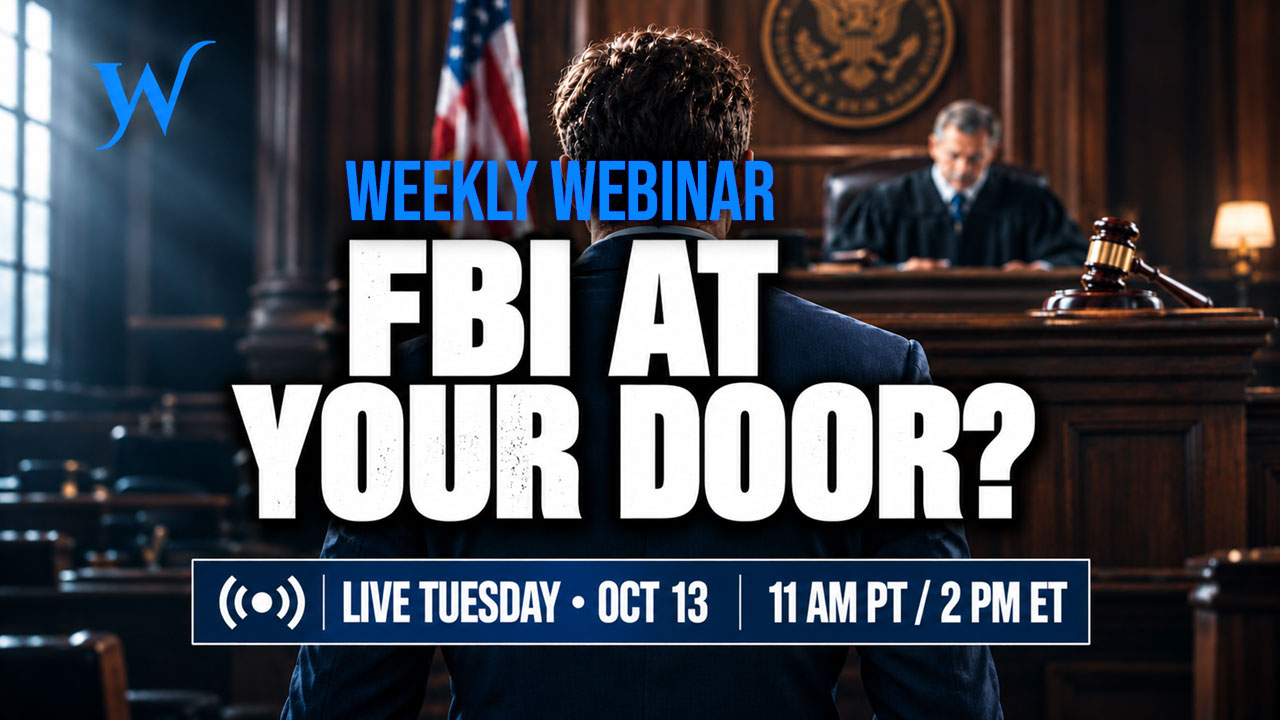
Schedule a call with our team or join our next weekly webinar. We work alongside defense counsel to help defendants prepare; not to replace legal counsel, but to make sure you walk into that room knowing exactly what’s at stake.
Written by
Justin Paperny
Founder White Collar Advice