A guide to finding, evaluating, and working with the best criminal criminal defense lawyer—by someone who learned the hard way.
Why Finding a Good Criminal Defense Lawyer Can Change Your Sentence
Four months after my daughter Alyssa was born in 2014, I saw something that, at the time, felt like a dilemma.
Looking back, I’m embarrassed I didn’t handle it immediately.
I won’t get into every detail, but our nanny did something that frustrated me. She did something I’d explicitly asked her not to do—she was spending too much time on her phone and not actually watching Alyssa enough. Alyssa was four months old. Nothing “happened,” thank God. Still, I remember standing there, knowing it was wrong, and doing nothing.
And instead of saying something right then, I cowered.
I did what I’ve seen so many people do later when they’re in trouble. I started rationalizing. Who’s perfect? It’s not devastating. She’s responsible for my daughter. If I upset her, what could happen when I’m not watching? Finding and training someone new could be difficult.
So I swallowed it. I overlooked it. I moved on.
That little moment—me staying quiet because I didn’t want to deal with discomfort—has shown up in my work more times than I can count. I’m not going to turn this into a parenting story. The specifics in this book are the cases—what happens when people find the right criminal defense lawyer, and what happens when they don’t. That’s the heart of What Good Lawyers Do Differently.
Why I Wrote This Book About Hiring Criminal Defense Attorneys
For nearly 17 years, I’ve worked alongside criminal defense lawyers. Hundreds of them. I’ve seen the brilliant ones—the lawyers who fight, who communicate, who treat their clients like human beings with families and futures on the line. I’ve also seen the opposite.
The difference isn’t always obvious from the outside. Both types have websites. Both have credentials. Both sound confident in consultations.
But the outcomes are radically different.
How Good Criminal Defense Lawyers Operate
Good lawyers share drafts before filing. They explain legal strategy in plain English. They return calls. They invite questions instead of dismissing them. They see the probation interview as an opportunity, not an inconvenience. They understand that sentencing isn’t the finish line—that prison, release, reentry, and employment all follow.
And when you find one of these criminal defense attorneys, everything changes. You’re not just represented. You’re prepared. You’re informed. You’re part of your own defense.
This book shows you how to find that lawyer—and how to recognize when you haven’t.
Red Flags: Behavior That Should Make You Walk Away
I want to show you the contrast, because most people don’t know what they’re missing until it’s too late.
A criminal defense lawyer in Detroit wrote this to a client:
“If I wanted your advice on the sentencing memorandum, I would have shared it with you. Stop sending me videos of federal judges. I’ve been doing this 35 years. Nothing I don’t know.”
Read that again.
That’s not confidence. That’s contempt. A good criminal defense attorney would never speak to a client that way. A good lawyer welcomes questions. A good lawyer shares drafts of the sentencing memo. A good lawyer understands that a defendant who’s engaged in their own federal case is an asset, not a nuisance.
When Lawyers File the Wrong Sentencing Memorandum
Here’s another example I’ve seen more than once.
A sentencing memorandum gets filed with the wrong details about the defendant—facts that clearly belong to someone else. Boilerplate paragraphs, wrong background, wrong personal history, errors so obvious a stranger could spot them. The lawyer blames a paralegal.
But the truth is simpler: he never read it. He never shared it with the defendant. He never asked the defendant to confirm details.
A good criminal defense lawyer sends the draft days before filing. A good lawyer says, “Read this carefully. Is everything accurate? Is there anything missing?” A good lawyer treats the sentencing memo as the most important document in the case—because in federal sentencing, it often is.
How to Evaluate a Criminal Defense Attorney Before You Hire
Most defendants don’t know what to expect. They’ve never hired a criminal defense lawyer before. They don’t know they’re allowed to ask for drafts. They don’t know they can request to speak with past clients. They don’t know what good representation looks like—so they accept whatever they get.
That’s why I wrote this book.
Not to attack lawyers. I work with criminal defense attorneys I admire deeply—lawyers who care, who fight, who go above and beyond for their clients facing federal charges. I’m grateful to collaborate with them. I learn from them.
But I’ve also seen the damage done by lawyers who phone it in. Longer sentences. Exposed mitigation opportunities. Millions wasted on legal fees. And the regret is often worse than the lost money or the extra time—because it comes with a specific kind of shame: I knew something was off, and I didn’t say anything.
You don’t have to make that mistake.
Who Should Read This Book About Hiring a Defense Attorney
This book is for the person looking for a criminal defense lawyer and wanting to get it right the first time.
It’s for the person who already has a lawyer but keeps feeling like something is off.
It’s for the person who wants to understand what great legal representation actually looks like—so they can recognize it, demand it, and appreciate it when they find it.
And here’s the deeper point: finding a good criminal defense attorney isn’t enough if you don’t know how to work with them.
I eventually fired the nanny. But what changed if I still didn’t know how to have uncomfortable conversations?
You can fire a bad lawyer. You can hire a good one. But if you can’t ask questions, share concerns, and participate in your own defense, you’ll leave results on the table even with great representation.
That’s the promise of What Good Lawyers Do Differently: not just how to find the right criminal defense lawyer, but how to be the right client.
Inside This Book: Evaluating, Hiring, and Working With Criminal Defense Lawyers
I’m going to show you how great criminal defense attorneys operate—how they communicate, how they prepare for sentencing, how they treat their clients. Real examples. Real federal cases.
I’m also going to show you the warning signs—so you can spot problems early, before they cost you years or hundreds of thousands of dollars in legal fees.
And I’m going to make this practical.
How to Evaluate a Criminal Defense Lawyer Before You Hire
You’ll learn specific criteria—especially how to see through charm, confidence, and “busy,” which is sometimes how the wrong lawyers sell themselves.
Questions to Ask a Criminal Defense Attorney During Consultation
You’ll get specific questions that stop vague answers—questions that make a lawyer show their work, explain their legal strategy, and commit to timelines in writing.
Sample Emails and Letters for Communicating With Your Lawyer
You’ll see real communication we’ve helped people write—messages that get returned, questions that get answered, and expectations put in writing.
How to Get the Best Results From Your Criminal Defense Lawyer
If you’re willing to do the work—ask hard questions, have uncomfortable conversations, and participate in your own defense—keep reading.
The best criminal defense lawyers want clients like you. They want clients who are engaged, who prepare, who care about the outcome. Finding a great lawyer is easier when you show up as a great client.
Let’s get started.
FAQs
What does “What Good Lawyers Do Differently” mean?
Good criminal defense lawyers communicate clearly, share drafts before filing, return calls, explain legal strategy in plain English, and treat their clients as partners in the defense. This book shows you how to find them—and how to be the kind of client they want to fight for.
Is this book anti-lawyer?
No. This book is pro-accountability and pro-excellence. Great criminal defense attorneys exist—I work with many of them. This book helps you find them, recognize them, and work with them effectively.
What are signs of a good criminal defense lawyer?
Clear answers. Drafts shared before filing. Returned calls. Legal strategy explained in plain English. Willingness to let you speak with past clients. Treating your questions as legitimate—not as inconveniences.
What if I already have a criminal defense attorney and I’m not sure if they’re good?
This book will help you assess what you’re getting. You’ll learn what to expect from great legal representation—so you can either confirm you’re in good hands or recognize it’s time for a change.
How much does a good criminal defense lawyer cost?
Federal criminal defense typically costs between $50,000 and $500,000+ depending on case complexity. But expensive doesn’t mean good. This book teaches you how to evaluate value—not just price—so you don’t overpay for mediocre representation or miss out on excellent lawyers who charge fairly.
Should I hire a criminal defense lawyer or use a public defender?
If you qualify for a public defender, many are excellent attorneys with heavy caseloads. If you can afford private counsel, this book helps you find a criminal defense lawyer who will give your case the attention it deserves. The key is knowing what good representation looks like regardless of who provides it.
About the Author: Justin Paperny, Crisis Manager and Former Federal Defendant
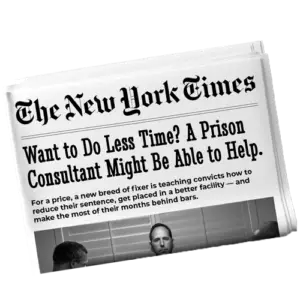
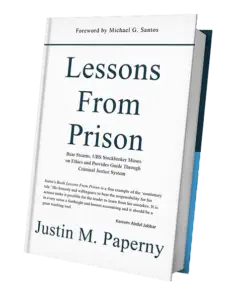
Justin Paperny is an ethics and compliance speaker and founder of White Collar Advice, a national crisis management firm that prepares individuals and companies for government investigations, sentencing, and prison. A former federal defendant himself, he has spent 17 years working alongside criminal defense lawyers to help clients navigate the federal justice system.He is the author of Lessons From Prison, Ethics in Motion, and the upcoming After the Fall. His work has been featured on Dr. Phil, Netflix, CNN, CNBC, Fox News, The Washington Post, and The New York Times.