
Federal Defense Attorneys
Northern District
Review attorneys featured in this district and select a profile to learn about the attorney’s background, experience, approach, and contact options.

Alex Little
Founding & Managing Partner
Litson PLLC
Nashville, TN
A former federal prosecutor and CIA political analyst, Alex Little brings unparalleled experience to complex criminal defense, government investigations, and high-stakes litigation. His background combines sophisticated trial advocacy, international diplomacy, and strategic crisis management, enabling him to navigate cases that extend beyond traditional legal boundaries. As an Assistant U.S. Attorney in two federal districts, Alex led multi-agency teams in national security and white-collar crime investigations, trying dozens of cases before federal juries. His prosecutorial experience spans complex financial fraud, public corruption, organized crime, and national security matters. Before entering private practice, Alex worked alongside President Jimmy Carter at The Carter Center, supporting peace negotiations in Sudan and developing diplomatic solutions to international conflicts. His earlier role as a CIA political analyst further enriched his understanding of complex global challenges. Alex is the founding and managing partner of Litson PLLC and co-hosts TARGET, Litson’s podcast about what happens when the federal government comes for you, with Amy Nelson.

Sam Rabin
Rabin & Lopez, P.A.
Miami, FL
Since 1985 I have litigated cases in numerous federal and state courts. In total, I have tried over 300 jury trials. My cases have included mail fraud, wire fraud, money laundering, drug trafficking, over prescribing of controlled substances, health care fraud, murder, stalking, possession and distribution of child pornography, securities fraud and tax evasion. Our firm's clients have included doctors, lawyers, police officers, politicians, judges and people from all socio-economic classes and walks of life. Our approach to sentencing is multi-dimensional. Our objective is not to excuse conduct, but to explain the circumstances, history, rehabilitation, and concrete safeguards that support the lowest and least destructive sentence available. We review the applicable sentencing statutes, guidelines, enhancements, mandatory-minimum issues, and available departure or variance grounds available. We develop the client’s personal, medical, educational, employment, family, military, and community background and strive to identify circumstances that help explain, but not necessarily justify the conduct at issue, including addiction, trauma, mental-health conditions, grief, financial stress, coercion, immaturity, or untreated medical issues where relevant. When appropriate, we document treatment, counseling, sobriety, restitution, employment, education, volunteer work, compliance, and other evidence of pre-sentencing rehabilitation. We believe letters from family members, employers, mentors, treatment providers, clergy, and community members are important because they give the judge insight into the character of our clients. One of our greatest strengths is preparing sentencing memoranda that connect the evidence to the sentencing factors and includes well-reasoned and practical sentencing requests. Finally, we believe the client's allocution is important so we prepare our client to address the court honestly, respectfully, and effectively when an allocution is appropriate.
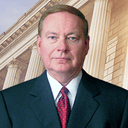
Gilbert A. Schaffnit
Criminal Defense Attorney
Law Offices of Gilbert A. Schaffnit
Gainesville, Florida
Gilbert A. Schaffnit is a Gainesville criminal defense attorney with more than four decades of experience. His practice focuses on federal and state criminal cases, including appeals and sentencing issues. As a sole practitioner, he maintains a selected caseload to give clients individual attention. Schaffnit’s professional service includes leadership in federal defense and bar organizations, teaching at the University of Florida College of Law and presentations on federal sentencing. His experience addresses both courtroom advocacy and the consequences that criminal proceedings can have for families. In the accompanying video, he discusses the impact of registration requirements on children and families.