I searched my own website recently. Huge mistake.
Do you know how many “Top 10 Self-Surrender to Federal Prison Checklists” I have published since 2008? I do not want to say the number. It is embarrassing. It makes me sound exactly like the prison consultant I spend half my time telling people I am not.
So this one is different. This is the federal prison checklist nobody gives you, I promise.
Not bring your medications and pick a point of contact. That is a different post. This is what you should do to your body, your brain, and your habits before you walk through those doors so you walk through them prepared, not panicked.
But first, a conversation I had with Michael Santos at Taft in 2008. Because without it, none of the rest of this makes sense.
The Pull-Ups Story and the U-Shaped Curve
By the time I arrived at Taft in April 2008, Michael had already been in prison more than two decades. While I spent my days exercising, he spent his building: writing, studying, documenting, teaching, publishing, creating.
One afternoon I bragged to him about running 10 miles and knocking out pull-ups. “First time I’ve had a six-pack since USC,” I said.
He asked, “How much are people going to pay you to do those pull-ups?”
The answer was zero.
Then he said, “You’ve got 1,440 minutes in a day. You’ll sleep about 440. That leaves you 1,000 minutes. What are you doing with them?”
I did not have an answer.
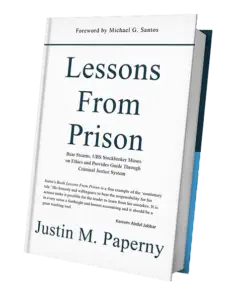
That was the moment he introduced me to the U-shaped curve. We described it in Lessons from Prison:
“The U-shaped curve measured a man’s path through confinement. As he enters the system, he descends through the U, leaving society behind, full of anxiety. Over time, he adjusts and grows comfortable at the bottom. Exercise, television, and routine fill the days. But eventually, every man has to ascend the U. The closer he gets to release, the more those anxieties return. Bills, rent, family, work: they are coming back. The longer someone stays lost at the bottom, the harder the climb out.”
Michael asked me to rate my adjustment. On fitness I gave myself a ten. Then he asked about preparation for release.
I said: “Probably a one.”
“Bingo,” he said. “People don’t succeed by accident, and they don’t fail by accident. Even in prison, the decisions we make determine the opportunities that open.”
I had been thinking about nothing but exercise.
Most people who surrender to federal prison make the same mistake. They survive the bottom of the U. They do not prepare for the climb back out. This federal prison checklist is about starting that preparation before you ever walk in.
1. Take Cold Showers. Every Morning. Starting Today.
In federal prison and the halfway house, the hot water goes out. Regularly, some complain. They yell. They stand there, stunned that the shower is cold.
Do not be one of those guys.
The way you stop being one of those guys is to take cold showers before you go in. Not once, every morning. Turn it cold and stand there for 60 seconds. Work up to five minutes. Do it until you surrender.
I did not love cold showers at Taft, but I got used to them. I am no doctor, but there must be some health benefits, no? Regardless, they are coming.
One more thing nobody mentions: shower shoes. Buy cheap flip flops and start wearing them in public showers today. The gym. The pool. Anywhere. Foot fungus in a federal prison camp is real. It lingers. Men who have never worn flip flops in a shared shower show up unprepared and pay for it for months.
Also: wash your hands every time you use the restroom. One hundred men share two bathrooms. People notice who does not. It is a health issue and a reputation issue.
2. Put the Phone Down for 24 Hours. Then Do It Again.
Some people in our community surrender to federal prison and say they miss their iPhone more than they miss sex.
People go through genuine withdrawal inside. That withdrawal leads to bad decisions. Someone walks up and says: you are out of phone minutes, I know you miss your kids, five minutes on a cell costs ten dollars. A lot of guys who cannot handle not having a phone say yes.
The consequences: disciplinary infraction, the hole, possible transfer to a higher-security facility, in some cases new federal charges.
Go 24 hours without your phone. No texting, email, TikTok. No YouTube. Nothing. Do it two or three days a week until you leave.
Notice what you reach for when you cannot reach for the phone. If the answer is nothing, that is a problem worth solving now.
3. Go to Bed Hungry Some Nights.
The food in federal prison is not always edible. The commissary has limits. If you have spent your life eating whatever you want whenever you want, this adjustment is hard.
Start adjusting now. Pick two nights a week and do not eat after 6:00 p.m. Some nights eat less than you want. Sit with the hunger. You are not going to hurt yourself. You are going to build evidence that you can handle not having what you want when you want it.
The guys who struggle most inside have never gone without anything (hey, that was me!). You can change that before you walk in.
4. Sleep With the Lights On.
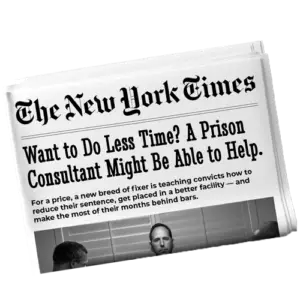
This one made the journalist laugh.
When I walked into the dorm at Taft in April 2008, I was housed near the front: the TV room, the counselor’s offices, the phones. Loud and bright all day. When I went to bed at 8:00 p.m., I could not tell whether the lights had gone off because the hallway light made it look the same either way. I did not sleep well for weeks.
Sleep with a lamp on tonight. Next week, sleep with the television on. Add some noise. You are training your body to rest under conditions you cannot control, because inside you cannot control them.
5. Spend a Full Day in Silence.
Michael Santos would get up at one or two in the morning and write for hours before the dorm woke up. Once the day started: the chow hall, the track, the library, noise everywhere. Even the quiet room was not quiet. Guys slam dominoes, doors, lockers, yell for no reason.
The early morning hours were the most productive of my life at Taft. Silence is hard for some. Thankfully, I loved it, still do,
Pick one day a week and speak to no one. Zero words. Not a greeting, not a response to a text. Just your own thoughts. There were days inside where no words came from my mouth and it was awesome. You are going to spend a lot of time alone. Start now.
6. Give Up Your Vices Now.
Before I surrendered I was not doing great. A lot of defendants eat poorly, drink too much, stop exercising, and develop habits they tell themselves are temporary. They feel no control and make bad decisions because of it.
Whatever your vice is: give it up before you go in. Drinking, smoking, eating at midnight. The habit you justify because of the stress of the case.
Everything is available inside if you want it badly enough. Cigarettes, alcohol, cell phones, drugs. The consequences for getting caught are serious. The best preparation for resisting temptation inside is to practice resisting it outside while the stakes are lower.
7. Start Writing. Five Minutes a Day. Right Now.
I have met hundreds of people who read 100 books in federal prison. I ask: what did you learn from book 54? How will it help you rebuild your career? Recite one specific thing.
Most cannot do it.
Reading without writing is passive. Writing forces you to say what you actually think and whether you are being honest or performing. When you put it on paper you can see, often for the first time, whether you are doing the work or just telling yourself you are.
Five minutes a day. Start before you surrender. Write your first entry at home, dated, timed. When you arrive, day one is not the beginning. Day one is just the next entry.
Write what is true. This is terrible. I hurt people. I am grateful my family is still here. What am I doing today to prove that? Am I actually changing or just telling myself I am?
8. Write a Book Report for Every Book You Read Before You Go In.
You are probably reading right now. Write a report for each book. Why did you read it? What specifically did you learn? How will it help you inside? How will it help you when you come home?
Michael Santos handwrote Earning Freedom in six weeks inside federal prison. He was writing about the First Step Act a full decade before that law passed. The writing was another time-stamped asset he could use to defend his advocacy work, work we all benefit from.
9. Write a Going-Away Letter.
Not to the judge. To yourself and to the people waiting for you.
What are you going to do inside? What does success look like at 30 days, 90 days, one year? What will you do to prove worthy of the love and support of the people still standing next to you?
This letter becomes the first draft of your release plan. Share it with your case manager when you arrive. Revise it every 90 days. A commitment someone else can read is different from a promise made in your head.
10. Build a Serious Exercise Habit Before You Surrender.
When I arrived at Taft, I looked at the track and decided I was getting in shape. I went from nothing to running five miles a day inside of one week. Michael and everyone else told me I was crazy. I told them to mind their business.
Then I destroyed my ankle. Horrific limp. The only way the pain went away was to keep running, which made it worse.
Start exercising now. Build the base before you need it. When the weather is cold, go anyway. Run in shorts and a t-shirt at 40 degrees. Learn to endure physical discomfort on purpose, because you will endure it inside whether you are ready or not.
What Happens If You Ignore This Federal Prison Checklist?
You arrive shocked. The cold shower shocks you. The lights shock you. The hunger shocks you. The silence where your phone used to be shocks you.
Shocked people make bad decisions. Bad decisions at the bottom of the U-shaped curve make the climb out longer.
I spent my first weeks at Taft doing pull-ups. Michael asked me how much anyone would pay me to do those pull-ups. The answer was zero then. It would have been zero when I came home too, if I had not changed course.
You still have time to change course before you walk in.
Come Tuesday at 11:00 a.m. Pacific and we will go through all of it live.
Frequently Asked Questions
What is the best federal prison checklist for someone preparing to self-surrender?
Most federal prison checklists cover logistics: point of contact, money, medical records. Those are important things and you should handle them. But the checklist nobody gives you is about habits: cold showers, silence, writing, going to bed hungry. The people who do well inside started preparing their body and brain before they walked in. That preparation is what this piece is about.
What is the U-shaped curve in federal prison?
Michael Santos introduced it in Lessons from Prison. Every person in federal prison descends through the U at entry, adjusts at the bottom, and must climb back out as release approaches. The longer someone stays comfortable at the bottom watching television and doing laps, the harder that climb becomes. The people who do well start preparing for the top of the curve from day one.
Should I really take cold showers before surrendering to federal prison?
Look, I’m not a doctor, but I suggest it. Prison showers are cold, often shared, and not on your schedule. If your first cold shower is inside, it will feel like punishment. If you have been taking them for a month, it is just a shower.
Why should I give up my phone before going to federal prison?
People go through genuine withdrawal inside when they lose phone access. That withdrawal leads to bad decisions, including paying for illegal cell phones. The consequences include disciplinary infractions, transfer to a higher-security facility, and in some cases new charges.
Why should I start writing before I surrender to federal prison?
Because a record that starts before you walk in proves you are willing to do the work. Anyone can say they worked on themselves inside. A journal entry written at home before you surrender is something different, as it shows you are being proactive.
What is the going-away letter in federal prison preparation?
A letter you write to yourself and your family before you surrender. What you will do inside. What success looks like. What you will do to prove worthy of the people still supporting you. It becomes the first draft of your release plan. It sets the tone.
About the Author
Justin Paperny founded White Collar Advice after serving 18 months at Taft Federal Prison Camp beginning in April 2008. He was a former Merrill Lynch and Bear Stearns stockbroker convicted of securities fraud. He met Michael Santos at Taft. Santos, who served 26 consecutive years in federal prison, became his mentor and the foundation of everything Justin teaches. Justin has written a blog every single day since October 12, 2008. He runs the leading national crisis management company in the federal criminal justice space, hosts a free weekly webinar every Tuesday at 11:00 a.m. Pacific, and co-founded Prison Professors Charitable Corporation, a nonprofit with more than 7,700 profiles and 12.5 million written words on file operating in every federal Bureau of Prisons facility.