Hugo Mejia got a federal sentence reduction below the guidelines. He was a U.S. Army veteran facing federal money laundering charges, the government had a case, and his lawyer was competent, the same setup thousands of defendants have every year. What Hugo added was a record built over the months before sentencing, so that Judge Carney knew who he was before he said a word in the courtroom. The judge spoke from the bench about Hugo’s military service, his childhood, his medical condition, and his own accounting of what happened, all of it in the pre-sentence report because Hugo had put it there.
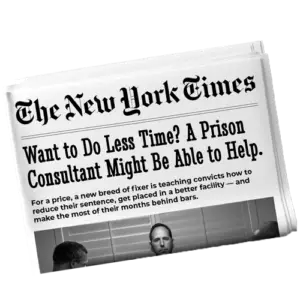
Jack Hitt of the New York Times watched me work with Hugo through those months, and his piece ran in June 2022. You can read it here and listen to the podcast version here. What follows is the process Hitt watched, step by step.
What Thoreau Understood
Thoreau went to Walden Pond on purpose. He stripped his life down to what was essential, documented everything, and came out two years later knowing what mattered and what had been noise.
He wrote: “I went to the woods because I wished to live deliberately, to front only the essential facts of life.”
Deliberately. That word is the whole point.
The defendants who get the best outcomes do not stumble into them. They go into the process with intention. They decide what they are building before anyone tells them to build it. They document from day one. They treat every interaction with every stakeholder as an opportunity to show who they are.
The ones who wait, who outsource, who hope, who assume the lawyer will handle it, those people get the guidelines sentence. Or worse.
What Five Experts Told Us
Over the past nine blogs in this series, five subject matter experts described what they look for, what moves them, and what separates a prepared defendant from an unprepared one.
Here is what they said, stripped to the bone.
Paul Bertrand, retired FBI agent: The investigation does not stop until sentencing. By the time a target letter arrives, the case is built. The defendant who starts building their own record early creates a counter-narrative. The one who waits gives the government the only version that exists.
Chris Maloney, former Chief of U.S. Probation: The more information a defendant provides, the better picture the officer can give the judge. That picture shapes the sentence, the prison designation, and the reentry assignment years later. The PSR is not a formality. It follows you.
Judge Mark Bennett, 4,000+ sentences: The allocution can move a sentence from the middle of the guidelines to the bottom. A defendant who built a personal narrative before the PSR was written would be astoundingly impressive. He had never seen it. The prison record is the first thing he reads when writing commutation letters.
Judge Stephen Bough: The best advocate at sentencing is the defendant himself. One to two percent weight on what the defense attorney says about remorse. The rest comes from what the defendant built. A clean prison record allows him to take a risk on early termination of supervised release.
Jon Gustin, 24 years BOP, 7 years running national reentry: The beds go to people who most need help. The written reentry plan submitted to the case manager at every meeting goes into the file. The Residential Reentry Manager reads it. The reentry probation officer reads it. Do your own time. Build your own plan.
Five people. Twenty years of combined federal experience between them. All saying the same thing from different angles.
The record is everything.
What the Record Looks Like
Not an abstraction. A list.
A personal narrative written before the PSR interview. Dated. Three to six pages. Who you are, how you got here, who was harmed, what you understand now, what you have done. Submitted to the probation officer before the interview with a short cover note.
Restitution payments started before sentencing. Any amount. Receipt kept. The date matters more than the dollar.
Treatment records if substance abuse or mental health is part of the story. Attendance logs. Provider letters. Started before the PSR interview, not after the judge recommended it.
Community service logs. Signed hours. Real organizations. A start date that predates sentencing by months.
Employment documentation. Pay stubs or employer letters. Chris Maloney said employment carries more weight than volunteer work because it shows you earning a living as a law-abiding citizen.
Character letters. Five to eight strong ones. Specific stories from people who have watched you over years. No templates. No letters telling the judge what sentence to impose.
A Prison Professors profile. Timestamped, documented. Judges have studied them. Case managers have studied them. Reentry probation officers have studied them.
A written reentry plan for the case manager. Brought to every meeting. Asked to be incorporated into the file.
That is the record. None of it is complicated. All of it requires starting before anyone tells you to.
What Early Release From Federal Prison Looks Like
Judge Bough described it plainly.
A clean disciplinary record in prison tells him someone can follow rules. That gives him permission to take a risk. He has removed people from supervised release after two years of doing everything right. Two years off supervision is not a small thing.
Judge Bennett spent the last part of his career writing commutation and pardon letters for people he sentenced. The number one factor: the prison record. Clean discipline. Programming completed. Helping others. Using the time.
He said it directly: everybody’s time is valuable, particularly if you make the most of the time you have.
Michael Santos served 26 consecutive years. He made the most of every day. He built a body of work from inside federal prison that changed what was possible when he came home. His probation officer supported his work from day one of supervised release. After one year, without Michael asking, a federal judge signed an order for early termination.
After 26 years.
That is what the record makes possible.
What Supervised Release Is
Most people focus on the sentence. They should focus on what comes after.
Supervised release follows every federal sentence. It can run for years. Travel requires approval. Employment may be restricted. Residence must be approved. The reentry probation officer assigned to you reads the PSR before you ever meet.
The record you built before sentencing, the prison record you built inside, and the reentry plan you brought to every case manager meeting are the documents that introduce you to that officer.
If those documents show someone who understood what they did, who built something real, who showed up consistently and did what they said they would do, the supervised release conversation starts differently.
If the only documents are the government’s, that conversation starts with the government’s version of who you are.
What Comes Home
Jon Gustin described five outcomes for people coming home from federal prison. Unemployed. Underemployed. Homeless. Recidivism. Success.
The work done before, during, and immediately after the sentence determines which one.
The people who end up in the success category are not the ones who got lucky. They are the ones who started building before anyone told them to, who kept building inside, and who walked out with something to show for every year they served.
They are the ones who went deliberately, like Thoreau, into a confined and difficult space and came out knowing who they were and what they were building toward.
What to Do Right Now
If you are at the target letter stage, start the journal today. The FBI is building a file. Build yours.
If you are approaching sentencing, take the free probation report course before the PSR interview: Probation Report Course
If RDAP is part of your story, take the free RDAP course before you report: RDAP Course
Join our free weekly webinar every Tuesday at 11am Pacific / 2pm Eastern, where I answer questions from people at every stage of this process: Register Here
Schedule a call if you want our team’s direct help building the record. The earlier in the process, the more there is to work with: Schedule a Consultation
Frequently Asked Questions
How do you get a sentence below the federal guidelines?
By building a documented record that gives the judge material to work with under the 3553 factors. Personal narrative, restitution, treatment, community involvement, family support. The record must be real, specific, and started before sentencing. The allocution summarizes it. The record makes it credible.
What is early release from federal prison?
It can mean several things: First Step Act earned time credits, RDAP sentence reduction of up to 12 months, compassionate release, or early termination of supervised release after prison. Each has specific eligibility requirements. All are influenced by the prison record you build.
How does a clean prison record help?
Judge Bough said a clean disciplinary record tells him someone can follow rules, which allows him to take a risk on early termination of supervised release. Judge Bennett said it is the first thing he looks at when writing commutation letters.
What is supervised release?
A period of community supervision that follows a federal sentence. It can run for years. It includes conditions: travel restrictions, employment requirements, residence approval, regular meetings with a probation officer. Building a strong record before and during prison shapes how that supervision begins.
Can the judge who sentenced me help me later?
Yes. Judge Bough noted that defendants come back before the sentencing judge for supervised release hearings. Judge Bennett spent years writing commutation letters for people he sentenced. The relationship with the sentencing judge does not end at sentencing.
What is the most important thing to do right now?
Start. Whatever stage you are at, the record you build from today forward is more credible than the one you build the night before you need it. The judge can see dates. The probation officer can see dates. The case manager can see dates. Start now.
How do I help a family member in federal prison?
Write a strong, specific character letter. Visit when possible. Understand their programming schedule. Support their reentry planning from the outside. Jon Gustin said family stability is one of the factors the Residential Reentry Manager considers for placement decisions.