At the end of your sentencing hearing, the judge will turn to you and ask if you have anything to say.
That moment is called the allocution.
Most defendants are not ready for it. They turn to their lawyer. There is whispering. A nod. Then they stand up and say some version of the same speech every defendant gives.
Judge Mark Bennett has heard that speech thousands of times. He said the allocution can move a sentence from the middle of the guidelines to the bottom. It can move a judge from a guidelines sentence to below guidelines. But only when it is sincere and backed by a real record.
When it is the speech, it changes nothing.
What Allocution Means
Allocution is your right to speak directly to the judge before sentence is imposed. Not through your lawyer. Not through a letter. You, standing at the podium, telling the judge who you are and what you understand.
It is the most direct moment in the entire case. Everything else went through lawyers, documents, and procedures. This is you and the judge.
Most defendants waste it.
What Frederick Douglass Understood
Douglass escaped slavery, taught himself to read and write, and spent the rest of his life speaking and writing about what he had experienced.
His power came from one thing: specificity. Not abstractions about freedom or justice. The names of people. The specific incidents. What happened on a particular day in a particular place to a particular person.
He wrote in his autobiography in such precise detail that critics accused him of fabricating it, because they could not believe a formerly enslaved man could produce something that specific and that credible.
That specificity was not an accident. It was the only thing that made the argument undeniable.
Your allocution works the same way. A judge cannot evaluate “I am deeply remorseful.” A judge can evaluate: “I called Marcus Williams in January. I told him what I had done. I did not ask for forgiveness. I asked him what I could do.”
One of those is a claim. The other is a scene.
What Judge Bough Said
Judge Stephen Bough has been on the federal bench for years. He told us he can count on one hand the allocutions that moved him.
He said: a true introspection and thinking about how they got there is pretty valuable. Not saying sorry to everyone in the courtroom. Knowing who the victims are and trying to heal that. Self-evaluation. Figuring out how you got to this spot and making conscious efforts to improve.
He also described a sentencing where he added 40 months over what he had planned to give.
The defendant came in disrespectful from the first exchange. When the judge asked if he had reviewed the PSR, the answer landed wrong. Bough said most people understand federal judges are given enormous respect. When that is off from the start, it hurts. And the allocution that followed did nothing to recover it.
He said: an allocution is an opportunity to say I have recognized what I did is wrong. Here is how I am going to make amends to my victims. Here is how I am going to change. If you do not do that, you are missing out on essential advocacy.
What Judge Bennett Said
Judge Bennett watched defendants turn to their lawyers and whisper “should I say something?” at the podium.
That conversation needed to happen months before sentencing.
He said the allocution can be significant across the board. It almost never raises a sentence. It regularly moderates one. Sometimes it makes the difference between a guidelines sentence and something below it. But certain things can make it backfire.
He described a defendant he had already committed to sentencing at the mandatory minimum. The defendant gave an allocution focused on how upset his family was, with no empathy at all for the victims. Bennett came close to adding time.
He also said: I get offended when people tell me what the sentence should be. The letter writer, the defense attorney, the defendant himself. The sentence is the judge’s decision.
Tell the judge what happened. Tell the judge who was harmed. Tell the judge what you have done. Let the judge decide.
What the Allocution Should Cover
Four things. In plain language. In your own voice.
What you did. Name it. Do not soften it with legal language or euphemism. The judge already has the plea agreement. They know what happened. Owning it plainly shows you are not still looking for exits.
Who was harmed and how you understand that harm. Not “the victims.” The people. What you know about what they lost. What you understand about how your decisions affected their lives.
What you have done since the conduct came to light. This is where the record you built over the past months becomes the allocution. Restitution paid. Dates. Treatment attended. Dates. Letters written. Dates. Community involvement. Dates. The allocution does not create the record. It summarizes one that already exists.
What your specific plan is. An organization. A commitment already in motion. A start date that has passed. Not what you intend to do. What you are doing.
What the Allocution Should Not Do
Do not read a speech your lawyer wrote. Judge Bough said there is a speech every public defender gives every defendant. If you repeat it, he knows. It is not meaningful.
Do not use AI-generated language. Both judges told us probation officers and judges attend conferences specifically to learn how to spot AI output. Phrases like “reintegration,” “productive member of society,” “rebuild my life.” If your allocution sounds like a template, it confirms what the government already argued about you.
Do not make it about your family’s pain. Mention them briefly. The collateral consequences are real. But if the allocution is primarily about how your arrest affected your spouse and children, you wrote a statement about yourself. The judge is watching to see whether you understand what you did to other people.
Do not tell the judge what sentence you deserve. They will not appreciate it.
Do not cry strategically. Judge Bough said he does not mind tears. But he can tell the difference between someone who broke down because they could not hold it together and someone performing grief. One is human. The other is theater.
Format and Delivery
One to one and a half pages written. Three to four minutes read aloud.
Judge Bough said reading from a written statement is fine. He had a defendant who broke down reading hers. He offered to read it aloud himself. He did. It worked.
He also described a defendant so terrified of speaking that her lawyer sent a video narrated at their office beforehand. He watched it. It worked.
The format is not the point. The content is.
Write it yourself. Have someone honest read it. Ask them: does this sound like an excuse? Does this focus on me or on what I did to other people? Would you believe this from a stranger?
Revise it over weeks. Not hours.
What the Jack Hitt Article Showed
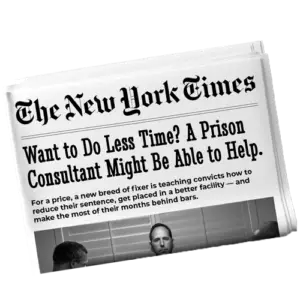
Jack Hitt spent time with me and a client named Hugo Mejia for a New York Times piece in 2022. Hugo had signed a plea agreement and was facing sentencing.
What he built in the months between his plea and his sentencing date changed what the judge knew about him. By the time Hugo stood at the podium, Judge Carney had already read about Hugo’s Army service, his childhood, his medical condition, his own accounting of what happened and why.
The allocution confirmed what the PSR had already established. It did not introduce Hugo to the judge. It reinforced a picture that already existed.
That is how it works when you do it right. The allocution is not where the work happens. It is where the work becomes visible.
Read the full New York Times piece here. Listen to the podcast here.
The Record Behind the Words
Judge Bennett made this plain.
He said the defendant who has taken affirmative steps toward rehabilitation before sentencing will have a huge impact on a judge, if it is sincere and believable.
The allocution summarizes those steps. If the steps do not exist, the allocution is words.
Start building the record now. Take the free probation report course to understand how the PSR and the allocution connect: Probation Report Course
What To Do This Week
Write the first draft of the allocution today.
Take the free probation report course: Probation Report Course
Join our free weekly webinar every Tuesday at 11am Pacific / 2pm Eastern: Register Here
Schedule a call if you want our team’s help preparing the allocution and the record behind it: Schedule a Consultation
Frequently Asked Questions
What is allocution at sentencing?
Your right to speak to the judge before sentence is imposed. Most defendants have this opportunity at the end of the sentencing hearing. It can influence the sentence, sometimes significantly.
What should I say in my allocution?
What you did, plainly. Who was harmed and how you understand that harm. What you have done since the conduct came to light. Your specific plan going forward. All of it grounded in dates and specifics, not general statements.
How long should the allocution be?
One to one and a half pages written. Three to four minutes read aloud. Long enough to cover the four elements. Short enough to stay focused.
Should I read from a written statement or speak from memory?
Either works. Judge Bough said reading is fine. What matters is that it is genuine and specific, not whether it is memorized.
Can a bad allocution hurt me?
Yes. Judge Bough added 40 months in one case partly due to how the defendant conducted himself from the moment he walked in. Judge Bennett came close to adding time when a defendant showed no empathy for victims. A bad allocution can undo mitigation work done over months.
Should my lawyer write the allocution?
Your lawyer can help structure it. It must be in your voice. Judges hear the difference between a performance and a genuine statement. If it sounds like something a lawyer wrote, it loses much of its impact.
What should I not say?
Do not tell the judge what sentence you deserve. Do not make it primarily about your family’s suffering. Do not use AI-generated language. Do not read a template speech.
Does the allocution matter if I already have a plea agreement?
Yes. The plea agreement sets what you admitted to. The judge still has discretion on the sentence within or below the guidelines. The allocution is one of the factors that influences where within that range the judge lands.