Table of Contents
On my way back from Santa Barbara, I stopped near Ojai and met with a woman whose husband had just gone to federal prison for 10 years.
He kept her in the dark
She knew he was under investigation. She didn't know how severe.
He kept her in the dark. She thought it would be two or three years. So everyone was stunned when they heard a decade.
"I'm in prison. I'm sorry."
Now he's in prison. Every time he calls, he says, I'm in prison. I'm sorry. There's absolutely nothing that I can do.
She can't say that.
She's got to manage the kids, the bills, the fallout, the shame. It's an awful experience.
The money wasn't a loan
During our meeting, she told me she had finally reached out to her family. Specifically, her dad. She needed money.
Her father said yes.
But it wasn't a loan. He didn't say the money would have to be paid back at any time.
He wanted something else. The money came with two conditions.
One, she would have to immediately divorce him.
Two, she would have to change her last name and go back to her maiden name.
If your husband is under federal investigation
If you're married to someone under federal investigation, here are a few questions you can ask:
- What is the maximum sentence for each charge? If there is a plea agreement, it usually lists the statutory maximum.
- What guideline range has his lawyer given him? Ask about the high end of that range, too.
- Can I read the court file myself? Federal court records are on PACER. It costs 10 cents a page, capped at $3 per document, and fees are waived if you spend $30 or less in a quarter. Some filings may be sealed.
- Who represents me? His lawyer works for him. That lawyer may not be able to talk with you about the case.
Knowing the high end may help you plan for the kids and the bills.
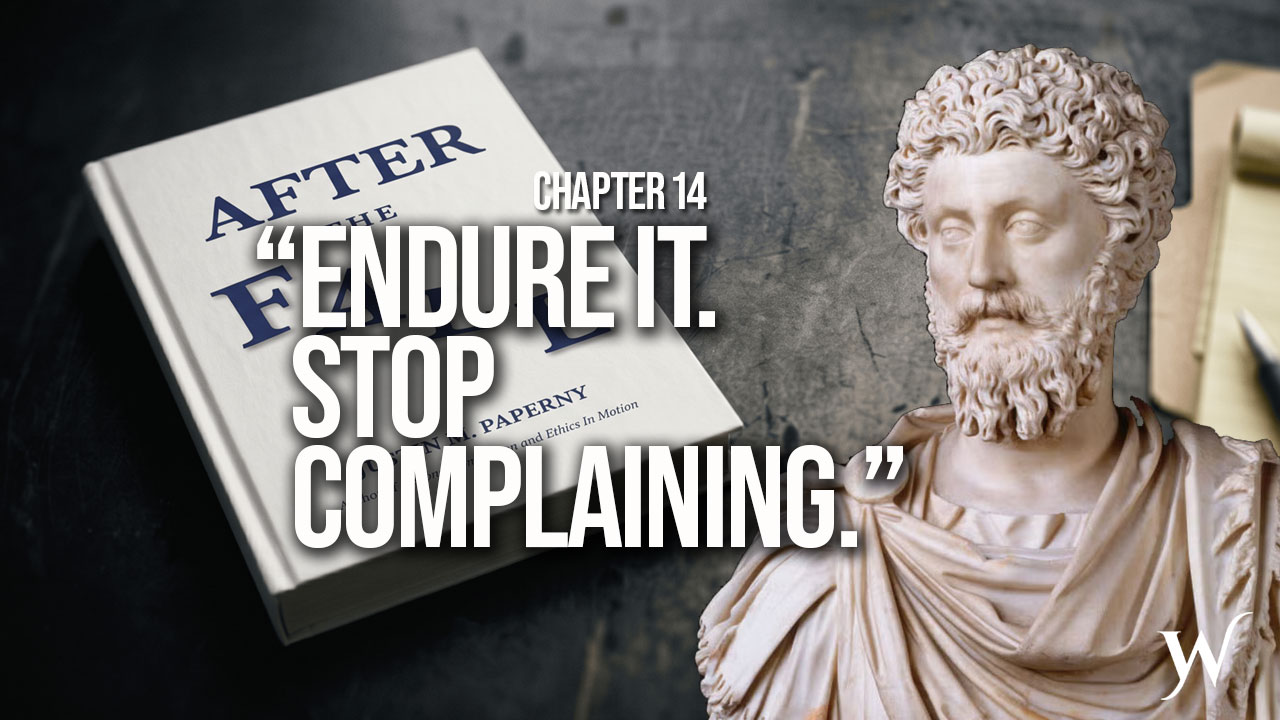
I write about that meeting near Ojai in chapter 14 of my new book, After the Fall.
Watch the short HERE.
Written by
Justin Paperny
Founder White Collar Advice