Daily Life in Minimum Security Camps and Other Prisons
People heading into federal custody often ask what minimum security camps and other prisons are actually like. Movies depict expectations, but they show only fragments of prison life. In this chapter, I describe how different security levels operate day to day, how people interact, and how structure, movement, and rules dictate daily life inside.
Movies and Public Perception of Prison
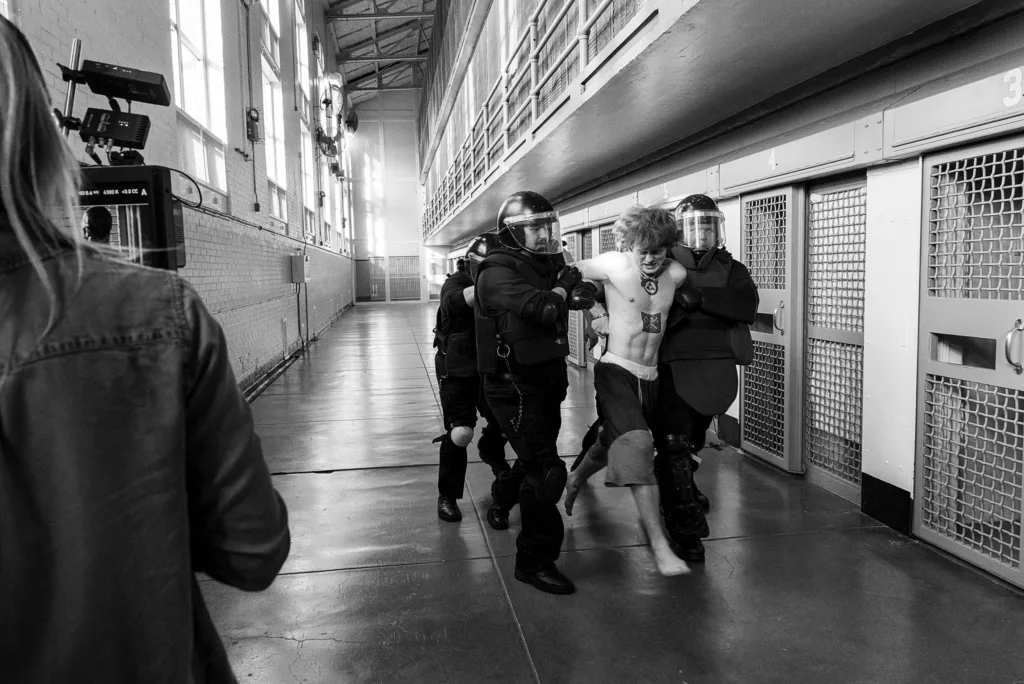
Many movies depict prison life, including one made about my experience that led me to a minimum security camp. Films give people a frame of reference for what they think prison looks like.
In Con Air, Nicolas Cage and John Malkovich portray violent offenders who hijack a transport plane run by the U.S. Marshals Service. That storyline influences how many Americans picture people in custody.
The Shawshank Redemption, starring Tim Robbins and Morgan Freeman, shows prison life as it existed decades earlier. Viewers see an underground economy operating inside the institution and how relationships form among different characters.
The Green Mile, with Tom Hanks, focuses less on prison society and more on staff roles. The portrayal of the sadistic guard Percy contrasts with Hanks’s firm but fair officer role.
Films show pieces of prison society, not the whole picture. Exceptions always exist, and understanding those exceptions can make a difference.
Different Security Levels, Including Minimum Security Camps
Most prison films focus on maximum-security institutions. Those environments can be volatile, and disruptions can happen quickly. A normal day can end with lockdowns tied to violence or organized disturbances.
Penitentiaries house many people serving long sentences. Some are in their teens when they enter. Others will never leave. In those settings, drama and disruption are common, and some look for ways to change their release dates.
Prig’s Story
“I messed up when I first came in. I started running with a few guys from the neighborhood. They introduced me to someone who claimed he was still active in drugs. I shared outside connections. Instead of helping me, he was working with federal agents to reduce his sentence. My friends were arrested during a deal, and I caught new charges. I was serving five years. I finished that term and started a new 188-month sentence.”
Minimum Security Camps (Federal Prison Camps)
Minimum security camps do not operate with the same volatility seen in penitentiaries. People generally coexist as strangers would in a large housing complex. Most keep to themselves.
Few want to be moved to a higher security level. As a result, many let minor annoyances pass. In camps, most people are courteous and focused on finishing their time.
With the First Step Act, more incentives now exist inside the federal system. These incentives encourage people to qualify for earlier transitions, including home confinement.
Bob’s Story
“I spent about nine months in the camp at Fairton. The place was clean, food was decent, and there wasn’t much tension. Fewer than 100 people were there. I worked in the library and read around 30 books. I lost 25 pounds. I left in better shape than when I arrived.”
Medium- and Low-Security Prisons
Administrators move people who qualify from penitentiaries into medium-security prisons to manage population levels. Medium facilities often resemble penitentiaries in atmosphere.
Weapons searches, drug use, and group disturbances occur. Some people in medium facilities are serving life sentences and maintain strict adherence to prison culture.
Hector’s Story
“I started at USP Pollock, then went to Allenwood. After a sentence reduction, I was transferred to a medium facility in McKean. I asked to be sent back to the penitentiary.”
Low-security prisons typically house people with shorter remaining sentences and lower security scores. Administrators screen for gang ties and disciplinary histories.
Members of our team have served time at every security level. Progress is possible regardless of placement.
Daily Structure Inside Federal Prison
All facilities conduct multiple daily counts. Some institutions count at midnight, 3:00 a.m., 5:00 a.m., late afternoon, after sundown, and again at night.
The compound usually opens around 6:00 a.m. On weekdays, work details start at 7:30 a.m. Missing a work call or appointment can result in an incident report.
Camps operate with open movement. Medium- and high-security facilities use controlled movement. Passes authorize movement between specific locations within set time windows.
Meals follow a strict schedule. Work details eat first and return within 30 to 45 minutes. Roll calls and random checks occur throughout the day.
After evening meals, limited free time follows. By 8:00 p.m., most facilities restrict movement to housing units.
Staff Relations Inside Federal Prison
The Bureau of Prisons holds staff to a “firm but fair” standard. Most staff maintain professional distance. Interactions vary by security level.
Searches are routine. Rule violations often result in disciplinary reports. Respectful conduct and compliance generally reduce attention from staff.
Gangs and Group Dynamics
Gangs exist primarily in higher-security institutions. These groups often align along racial, geographic, or ethnic lines and control illicit activity.
Administrators treat gang affiliation as a serious issue. Those seeking lower security placement or First Step Act incentives should avoid any appearance of affiliation.
Low-security facilities have fewer gang issues. Camps have none.
Cliques and Groups
Small social groups often form around shared interests such as meals, exercise, or programs. Religious services bring people together regularly.
Participation varies. Some limit interactions. Others engage more broadly.
Final Notes on Prison Society
Security level shapes daily life more than any other factor. Higher security brings more disruption. Camps are largely absent of violence.
Contrary to common belief, sexual assault is rare and least common in minimum security camps. Staff presence and visible surveillance exist throughout facilities.
Thank You,
Justin Paperny is an ethics and compliance speaker and founder of White Collar Advice, a national crisis management firm that prepares individuals and companies for government investigations, sentencing, and prison. He is the author of Lessons From Prison, Ethics in Motion, and the upcoming After the Fall. His work has been featured on Dr. Phil, Netflix, CNN, CNBC, Fox News, The Washington Post, and The New York Times.
FAQ
How do minimum security camps differ from other prisons?
They operate with open movement, fewer people, and less volatility. Most people focus on finishing their sentences without disruptions.
Are movies accurate portrayals of prison life?
They show isolated elements but do not reflect daily routines, counts, movement rules, or staff oversight.
How often do counts occur in federal prison?
Counts occur multiple times daily, including overnight, with exact schedules set by each institution.