Table of Contents
Pressure is the first corner of the fraud triangle: the money problem, resentment, or fear that makes crossing a line feel justified. Mine was a partner at Bear Stearns who refused me a raise. It didn't cause my crime. It's where my case started.
The raise I didn't get
A sports agent named Danny Lozano introduced me to Kenny, a USC grad seven years older than me who managed money for baseball players at Bear Stearns. Over lunch at El Torito Grill in Beverly Hills, we agreed I'd become his junior partner. I'd bring $35 or $40 million, he had $100 million, and I'd keep 25 percent of every commission.
A few months in, I closed a hedge fund account that generated $100,000 to $200,000 a month. After six months, I walked into Kenny's office and set the numbers on his desk. I didn't say a word. I waited for him to read them and give me a raise.
"What is this?"
I'd brought in more than a million dollars in production, I told him. I'd earned more than 25 percent.
"You're at Bear Stearns because of me. A little patience and gratitude would suit you well."
No raise. No thank you. I was in at five and out at ten. He came in at nine and left at two for Bel Air Country Club. I resented him a little more every day.
Judge Mark Bennett sentenced more than 4,000 people over 23 years on the federal bench. He told Michael about a man who stood up at his sentencing after the judge had already said he'd go down to the mandatory minimum. The man complained that his family was upset with him. He never mentioned his victims. Judge Bennett came close to raising the sentence.
For the next five years, the person I felt sorriest for was me.
What to do this week
Write down the pressure you were under before you crossed the line. One paragraph, no excuses in it. Keep it for yourself.
Questions people ask
What is the fraud triangle?
A model developed by criminologist Donald Cressey. It describes three conditions present in most frauds: pressure, rationalization, and opportunity.
Does explaining the pressure help at sentencing?
Only if it explains without excusing. A judge wants to understand how you got there and to hear that you know it doesn't make what you did okay.
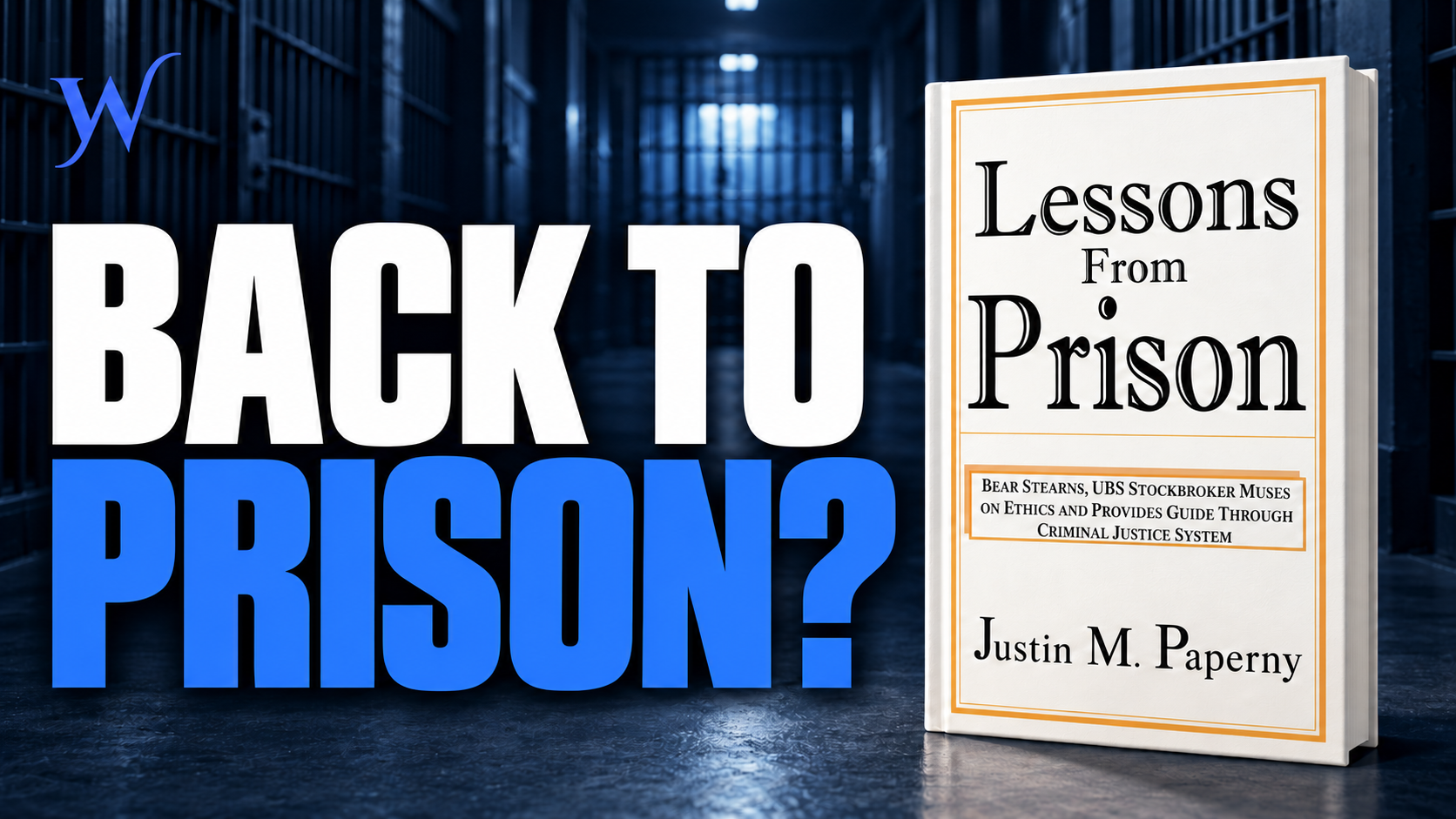
Related: I wrote about pressure, rationalization, and opportunity in Ethics in Motion. It's free at whitecollaradvice.com, along with Lessons from Prison and 14 Costly Errors That Lead to Longer Prison Sentences.
Read next: Part 4: Fraud Triangle Rationalization: A Real Stockbroker Example
Written by
Justin Paperny
Founder White Collar Advice